

Nevada's PACE RFP Is Out. Your Building Gets Scored December 10
Nevada's PACE RFP scores your proposed center in December, months before you can sign a lease. What the RFP requires of the building, where to look in each service area, and how to hold a site through award.
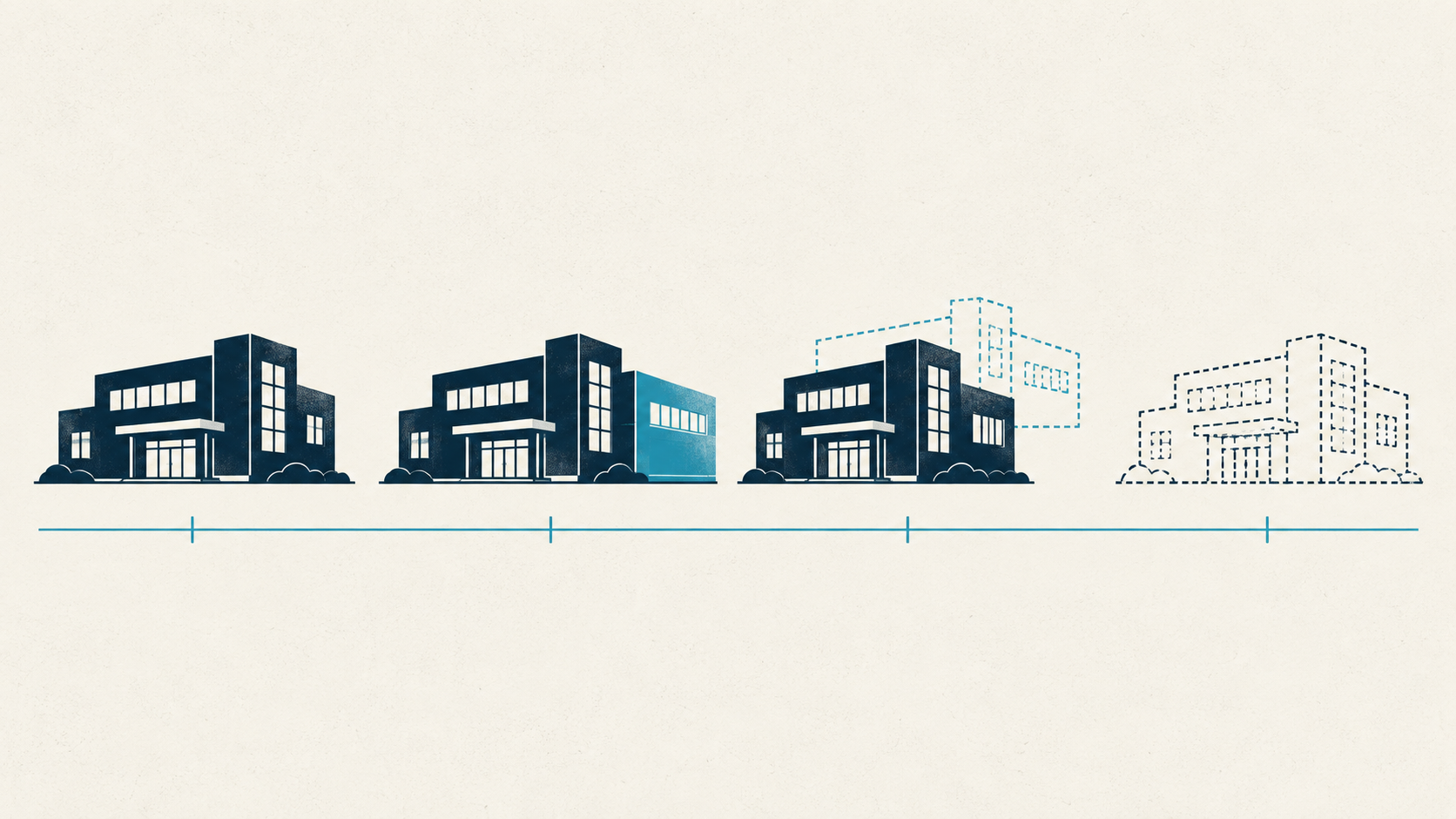
Keep, Expand, Relocate, or Exit? Reviewing the Clinics You Already Have
Before you decide where Site 4 goes, decide what Sites 1 through 3 are supposed to be doing next year. Every open clinic gets one of four verdicts, the evidence behind it, and the date the verdict has to become an action.
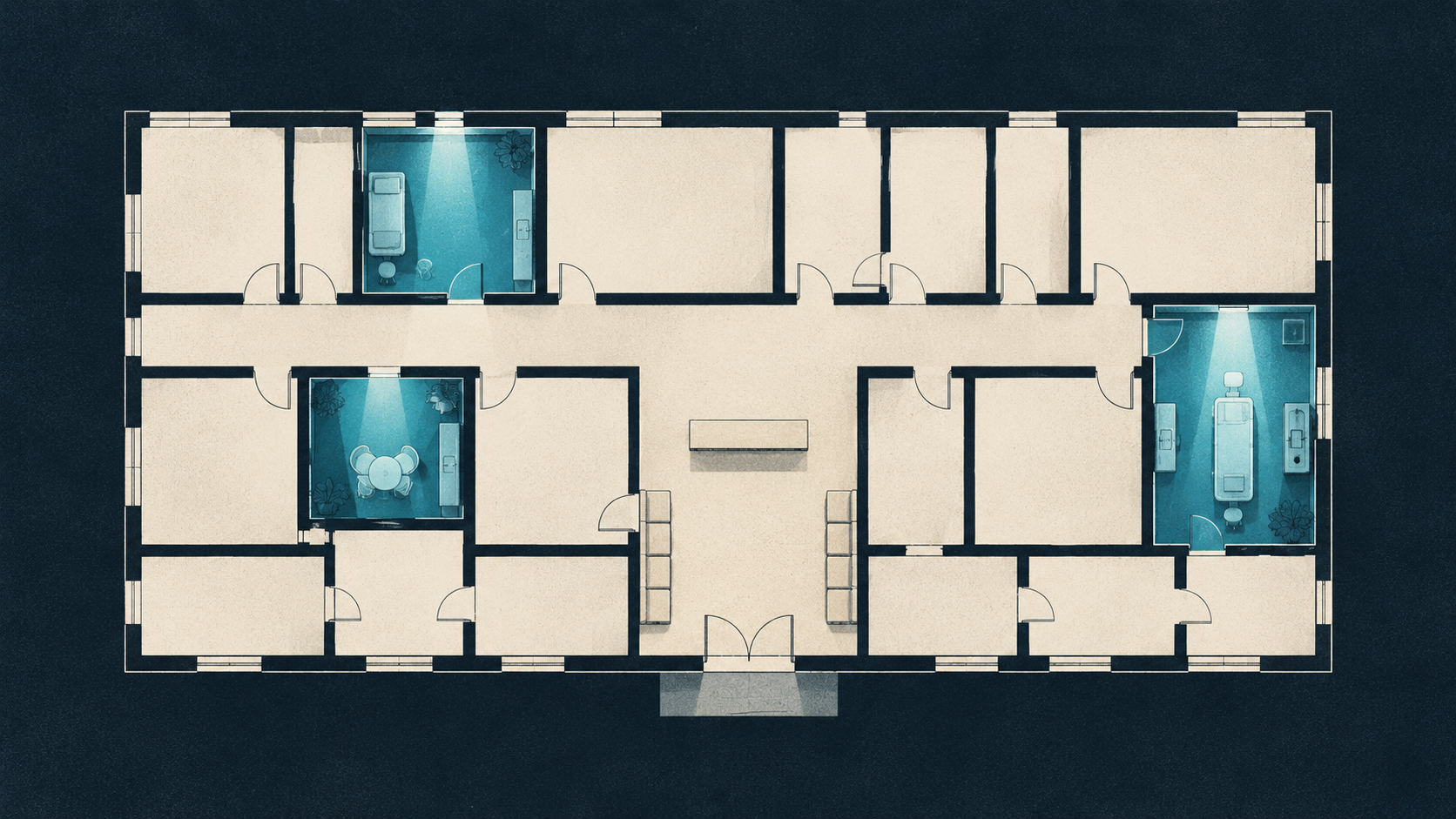
Where to Spend on Clinic Design and Where to Simplify
Even at $500 a square foot, no clinic budget makes every room special, and spreading it evenly makes none of them special. Here is how I decide which two or three moments a patient will remember, and what has to stay plain so those can be real.
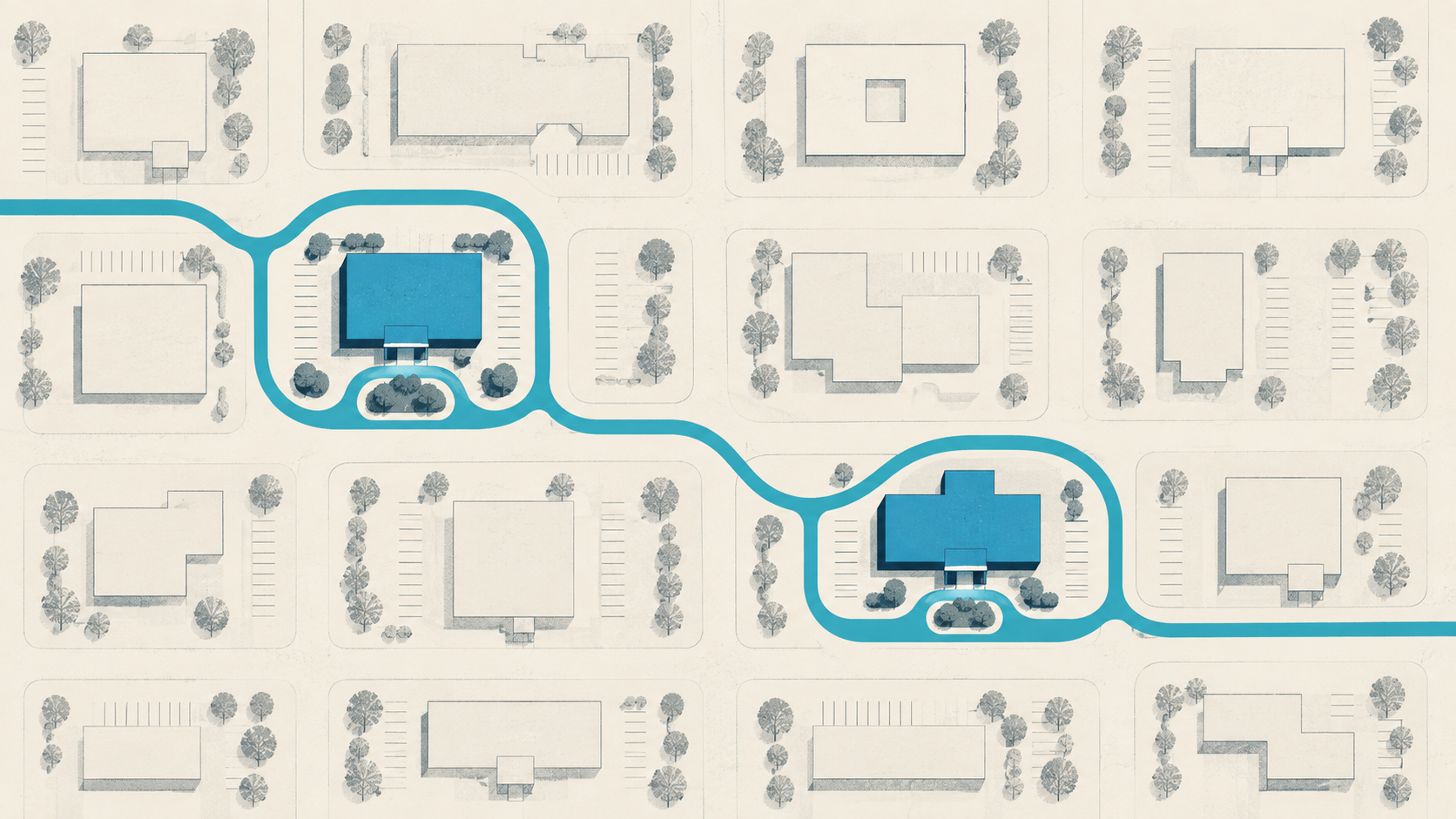
Finding a PACE Building When the Market Doesn't Have One
Every PACE center is a conversion, because nobody builds for this program and waits for a tenant. Here is the order I screen a market in, so the expensive diligence only ever runs on buildings that already survived the free checks.
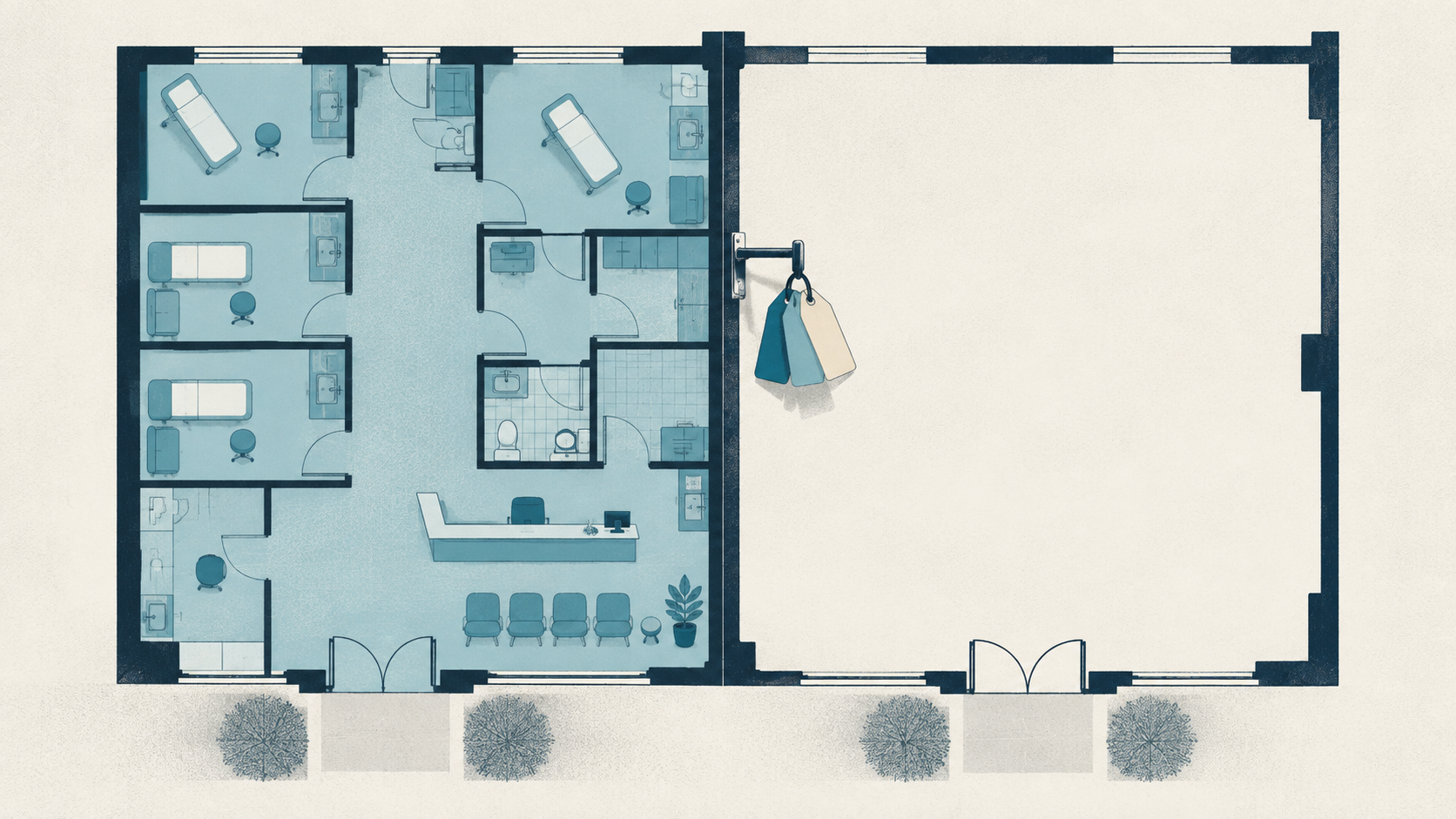
Negotiating Room to Grow in Your Clinic Lease
Expansion rights get priced like everything else in a lease. Here is what a ROFO, a ROFR, a fixed option, and a must-take actually give you, what each one costs, and how to match the expansion mechanism to your growth plan.
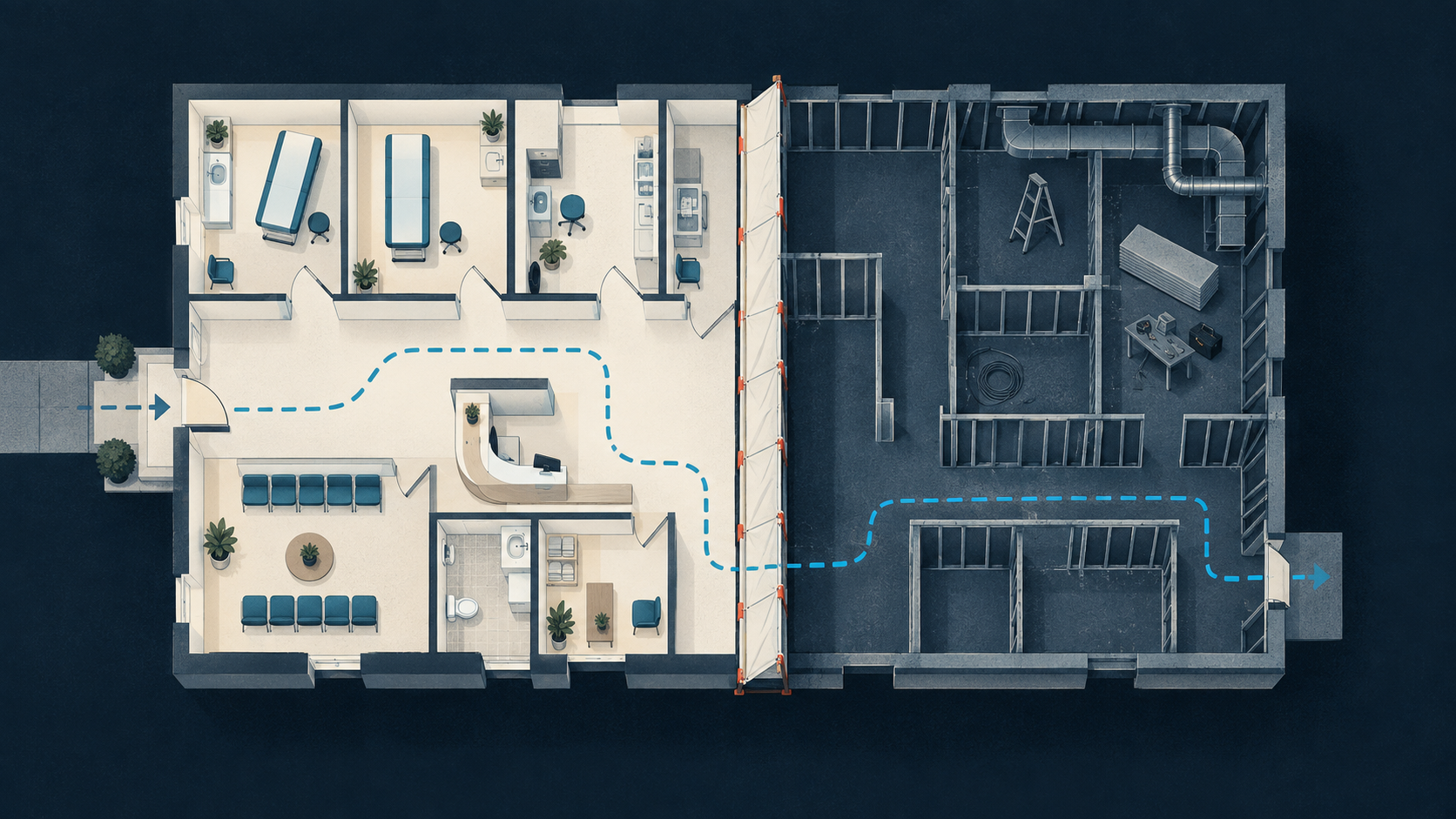
Renovating a Clinic that has to Stay Open
Keeping a clinic open through a renovation usually costs 15 to 30 percent more and takes 30 to 50 percent longer than the same scope in an empty space. Here is what that premium is made of, how to sequence phases around care delivery, and when a short shutdown is the cheaper answer
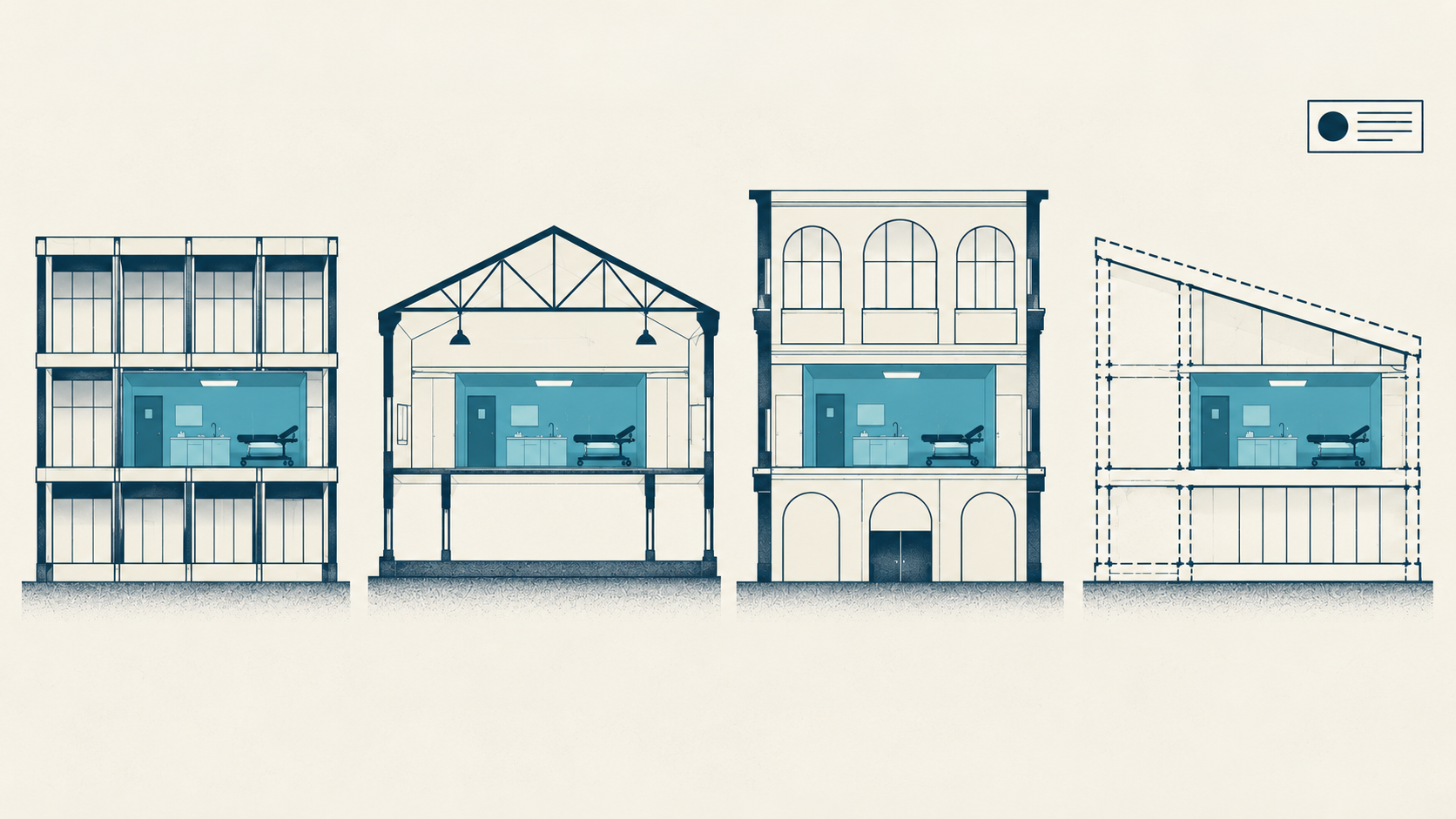
Building a Clinic Prototype You Can Use Again
By site 3 you have a prototype, written down or not. The question is who owns it, what it takes to change it, and whether you’ve documented well enough for the next architect to use it

Building Your 2027 Real Estate Budget
Rent is one line. The 2027 real estate budget also carries escalations, CAM true-ups, retention releases, equipment deposits, and a build that spends before it reimburses. Here is how I classify every dollar and lay it out by the month cash actually clears.
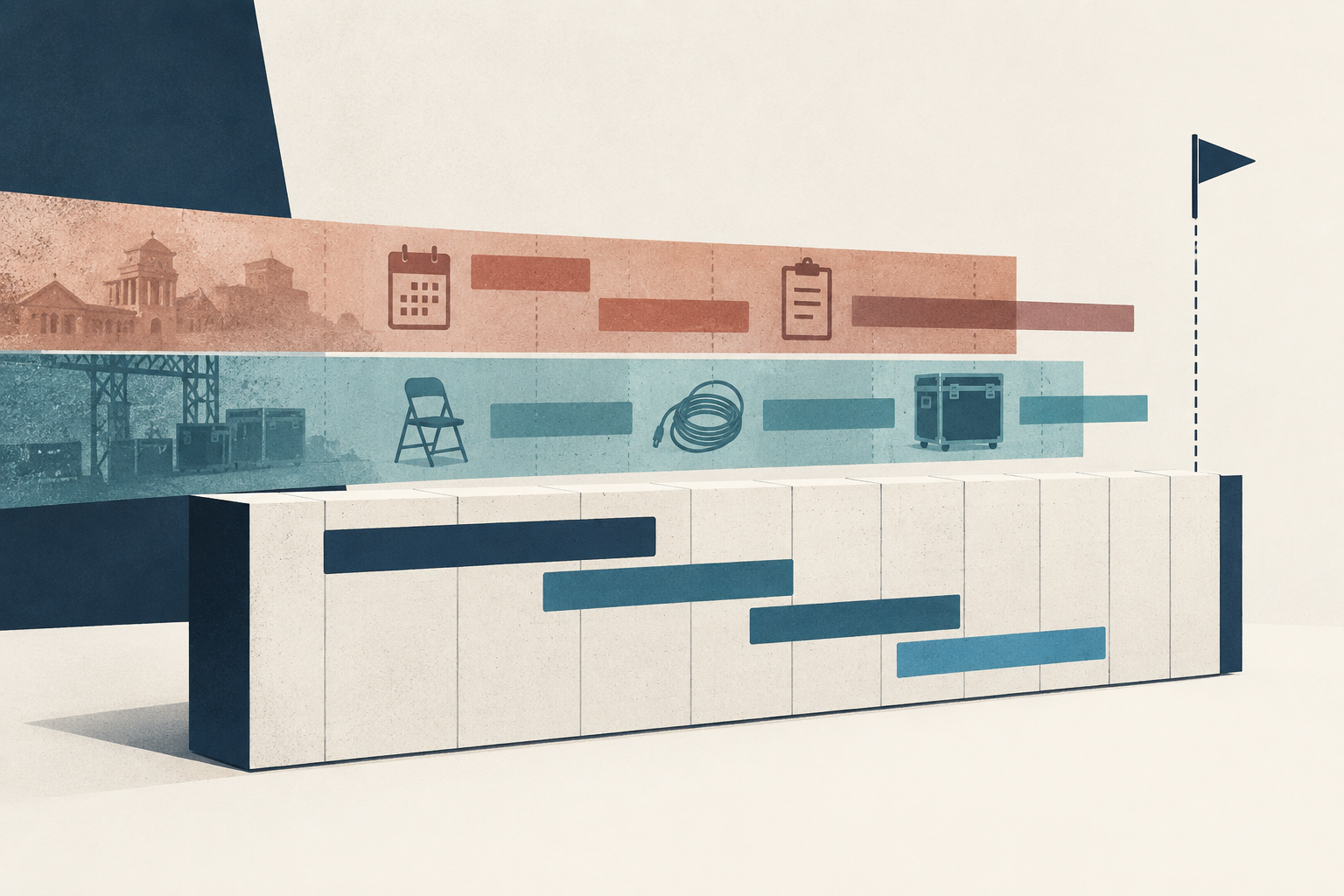
The Schedule Says January 31. That Is Not Your Opening Date.
A construction schedule tracks the GC's scope, with the GC's dates on the bars the GC doesn't control. On a first PACE center, the DHCS readiness sequence, utility energization, and your own load-in decide the go-live. How to read all three timelines, and what to ask on the OAC call.
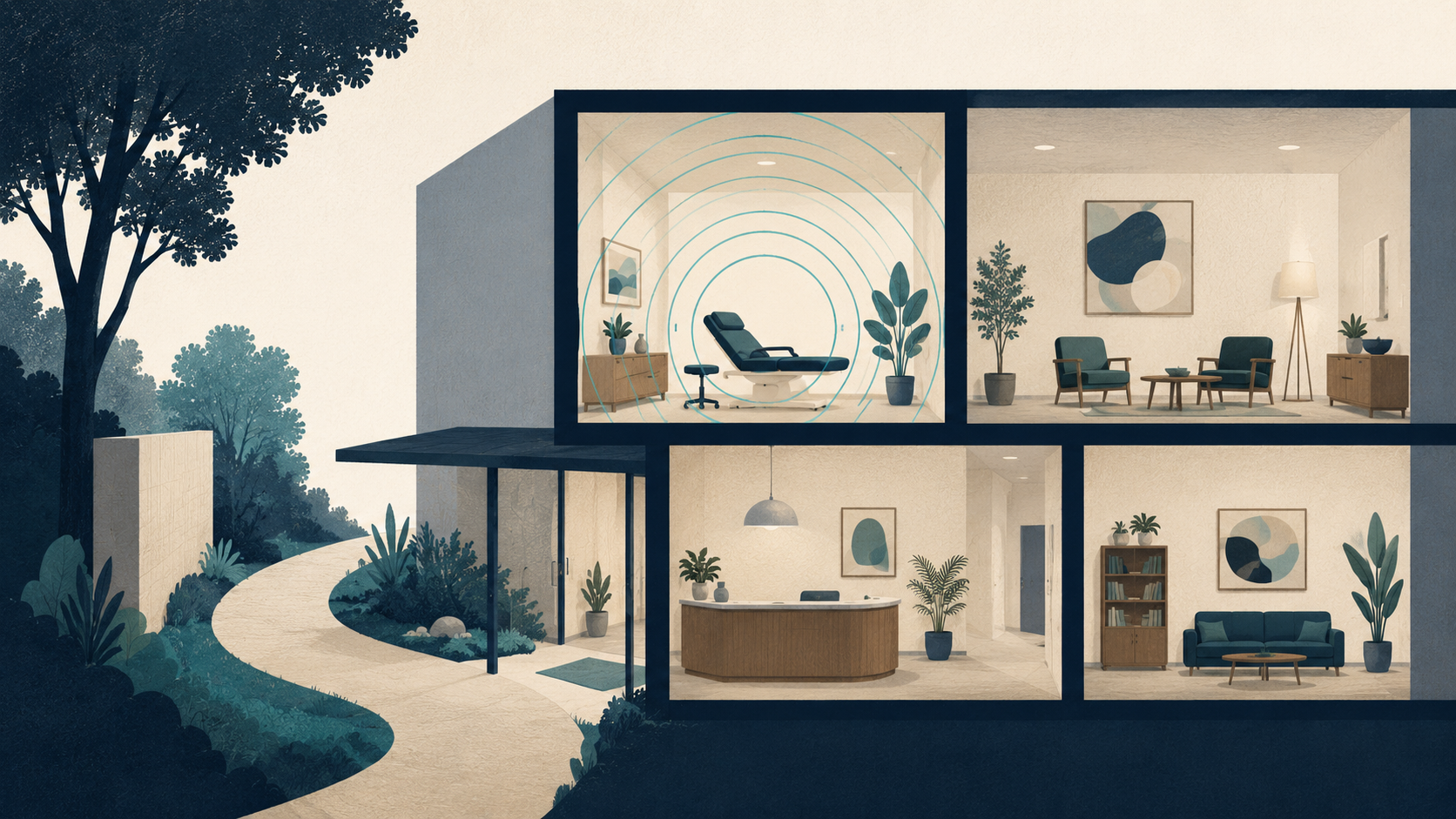
What's Different About Building Behavioral Health
Behavioral health changes three things about a clinic build: the privacy and safety the design carries, the licensing that shifts with level of care, and an entitlement path that often runs through a public hearing.
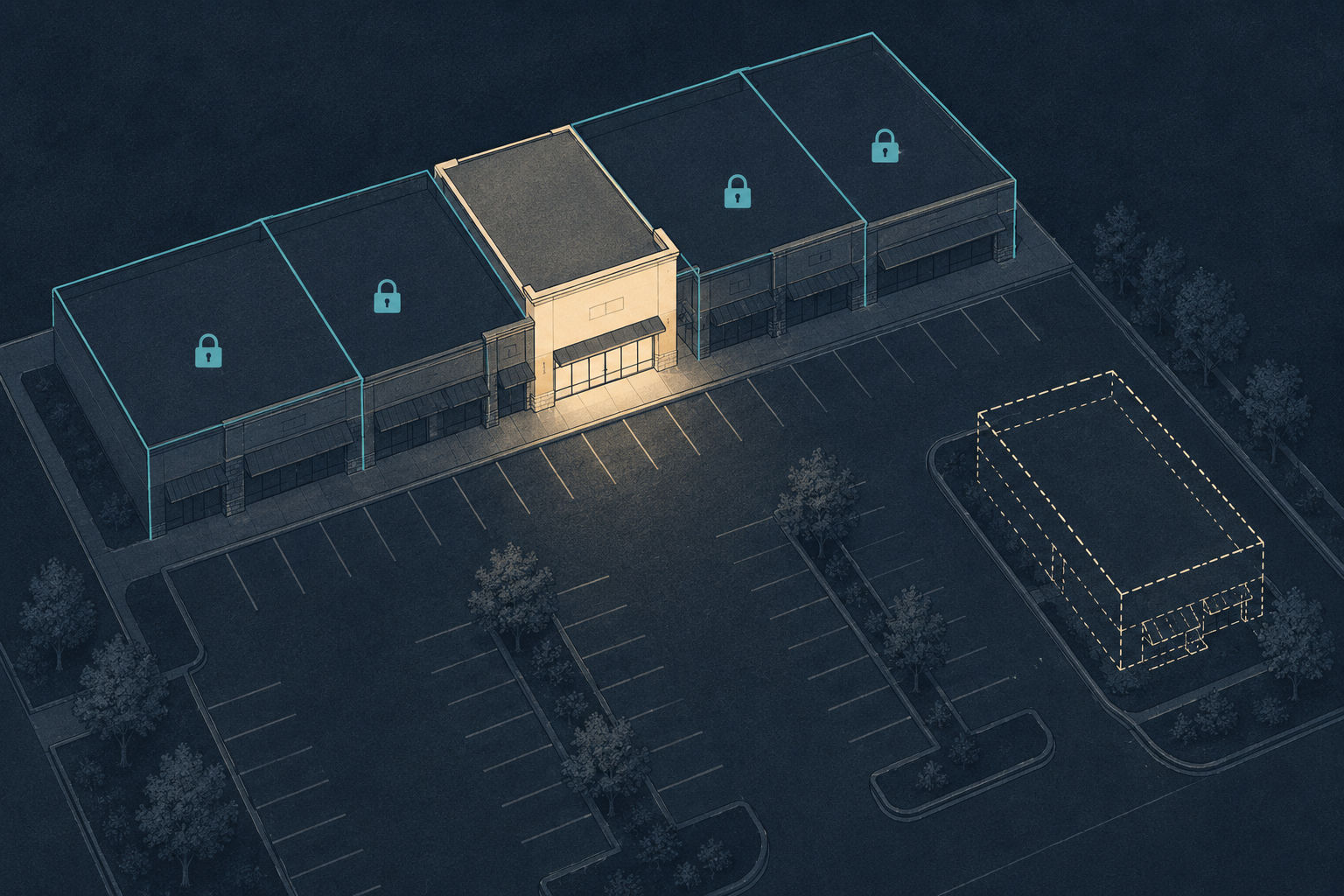
Your Neighbors Are Negotiable. Exclusive Use and Cotenancy.
The tenant mix when you toured is a snapshot in time. Three provisions decide who operates around your clinic for the next decade, and all three are LOI-stage asks.
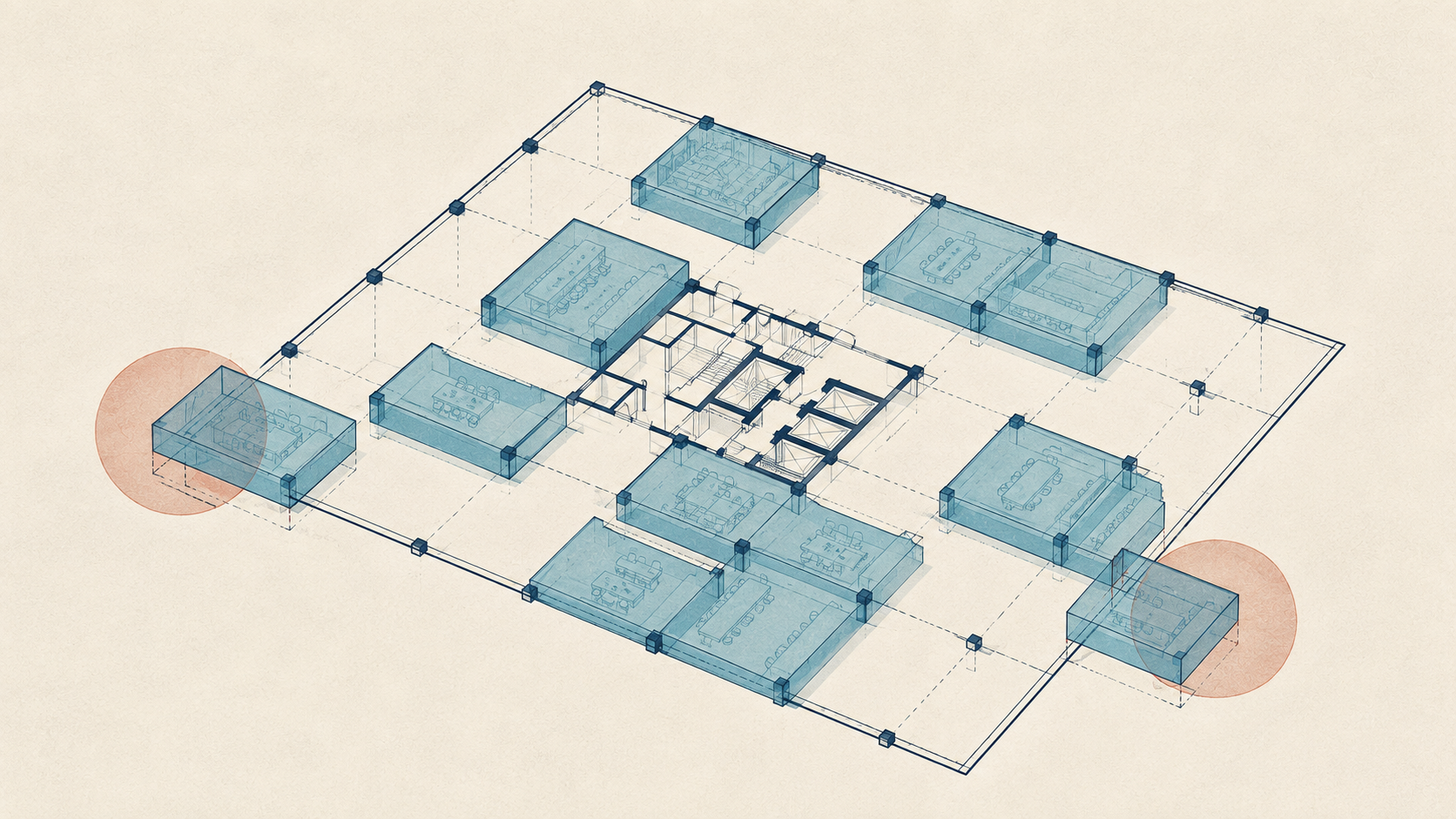
Run the Test Fit Before You Sign the Lease
Somewhere in your pro forma is the number everything depends on: exam rooms. A test fit asks the building before the lease locks the answer in.
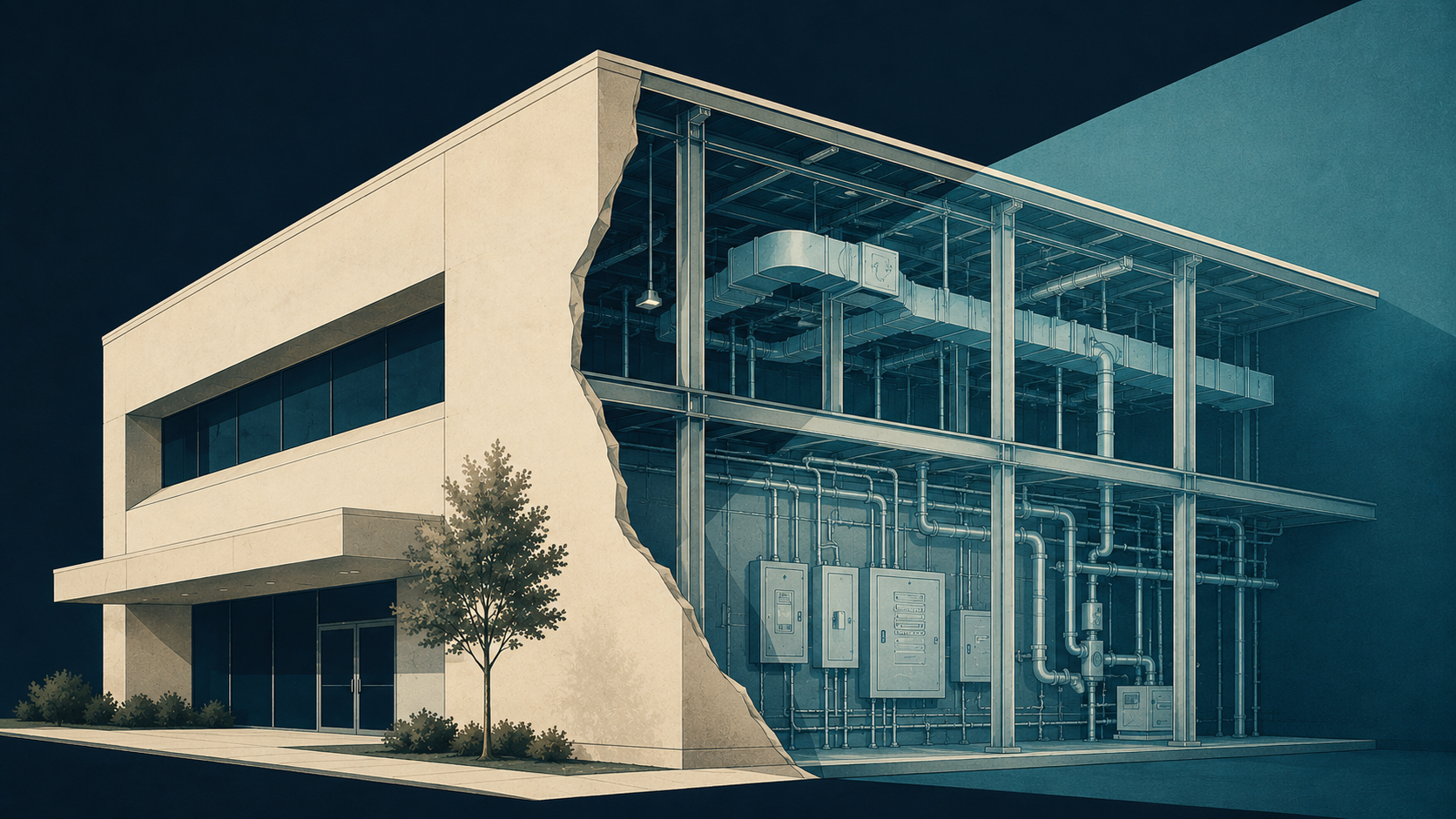
What I Look For When I Walk a Building
A broker tour asks whether you could see your clinic here. A diligence walk asks whether the building can physically become your clinic, on budget and on time. Who to bring, what to check, and when to walk away.
Cheap Is Expensive. What Quality Actually Costs.
The fee is what you pay. The cost is what you end up paying. Why the cheap team is routinely the expensive option on a clinic build, and how to read a fee proposal by its contents instead of its total.
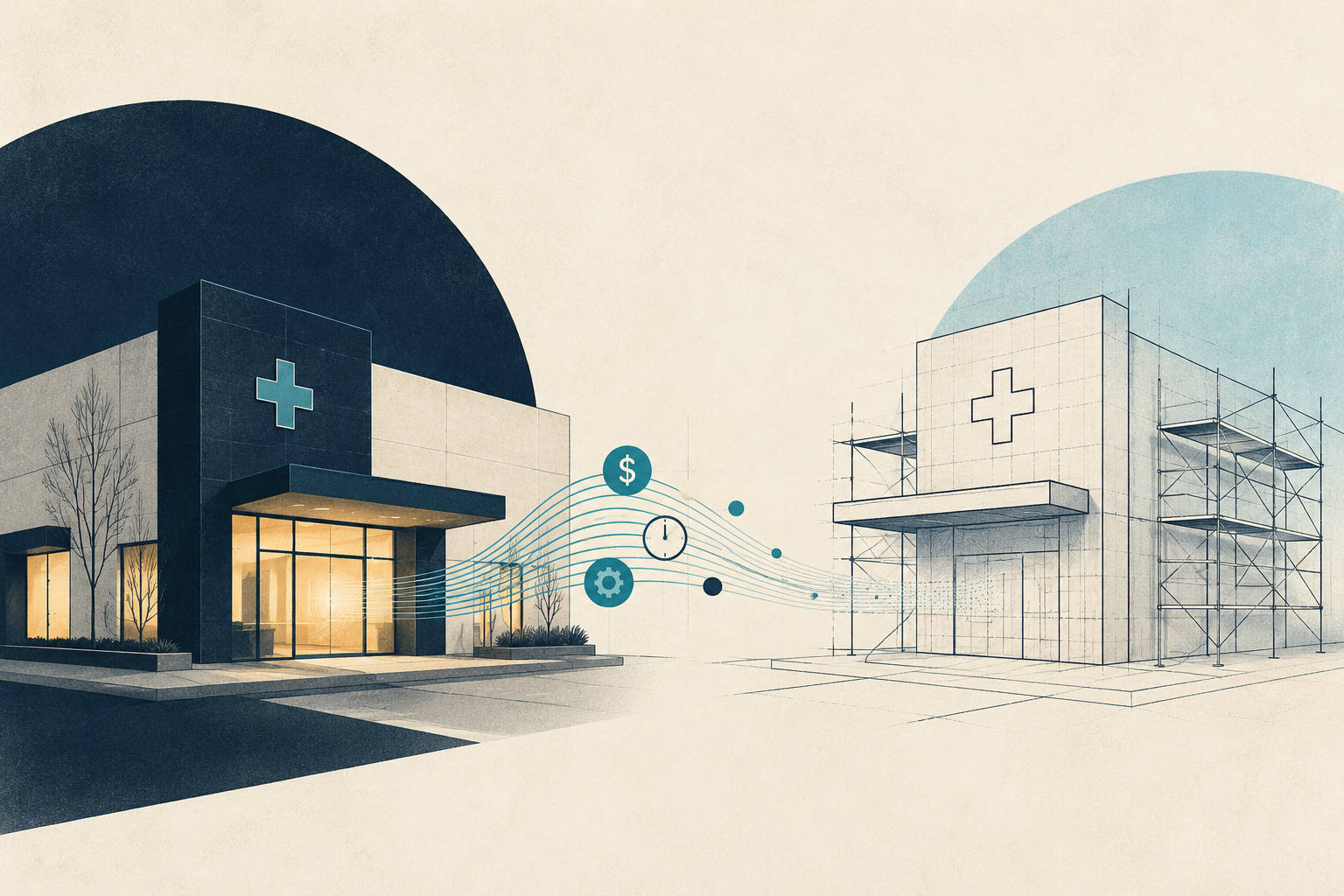
Building Site 2 While You're Still Growing Site 1
Your second build runs on the same scarce resources as your first live clinic: attention, clinical leadership, and cash. How to structure decision rights, the prototype, and the cash model so the ramp and the build stop competing.

What Does a Healthcare Real Estate Advisor Actually Do?
One year into running Retained CRE full time, the question I get most is "what do you do?" The honest answer: real estate is the door I walk in through. What's on the other side is the whole business.
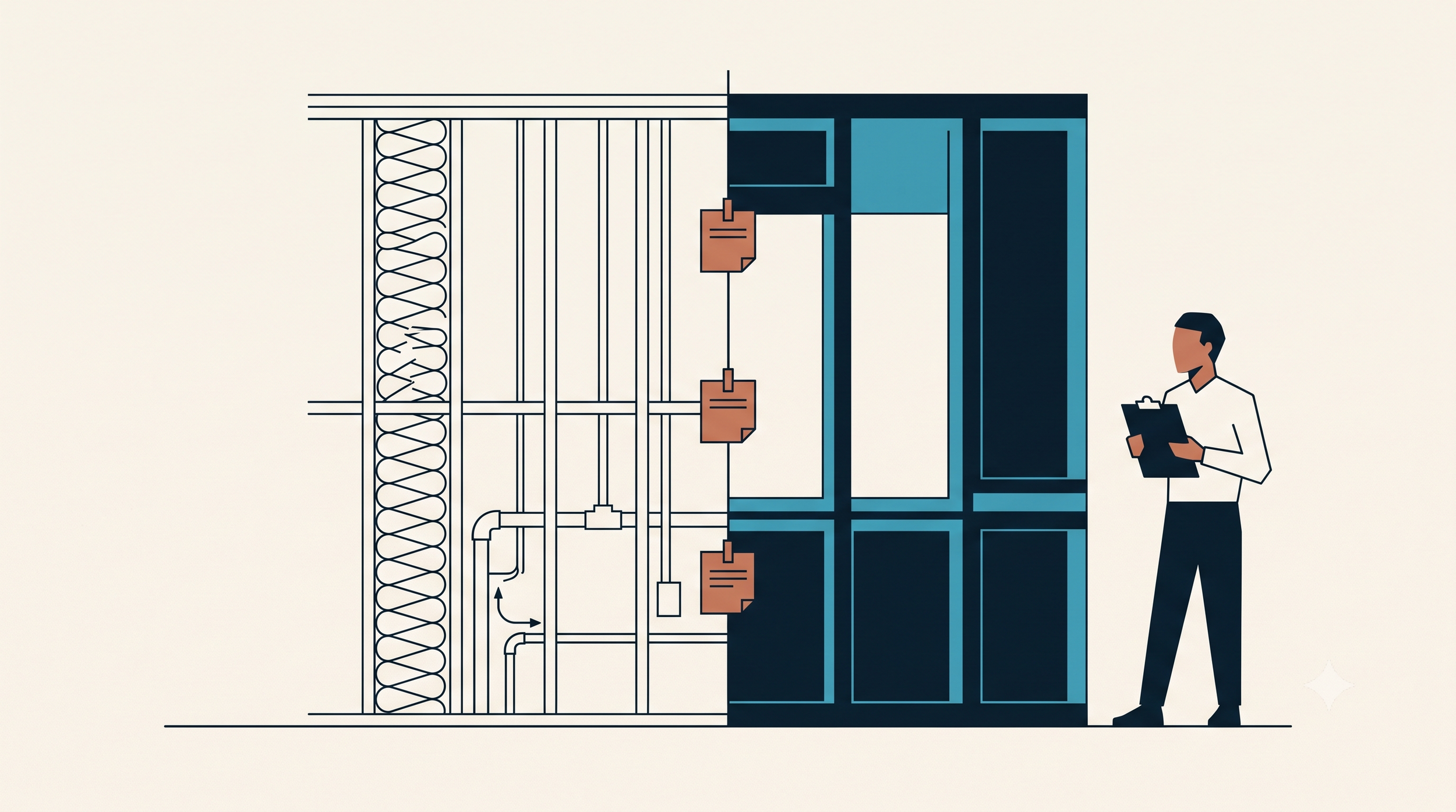
You Built to the Permit. Change Orders Came Anyway.
Your drawings were reviewed, your contract negotiated, your permit stamped — and change orders come anyway. The three places they start, and what actually manages each one.

GMP, Cost-Plus, or Lump Sum: How to Manage Construction Risk
Lump sum, GMP, or cost-plus is the system that decides who pays when reality diverges from the drawings. How to match the structure to your project
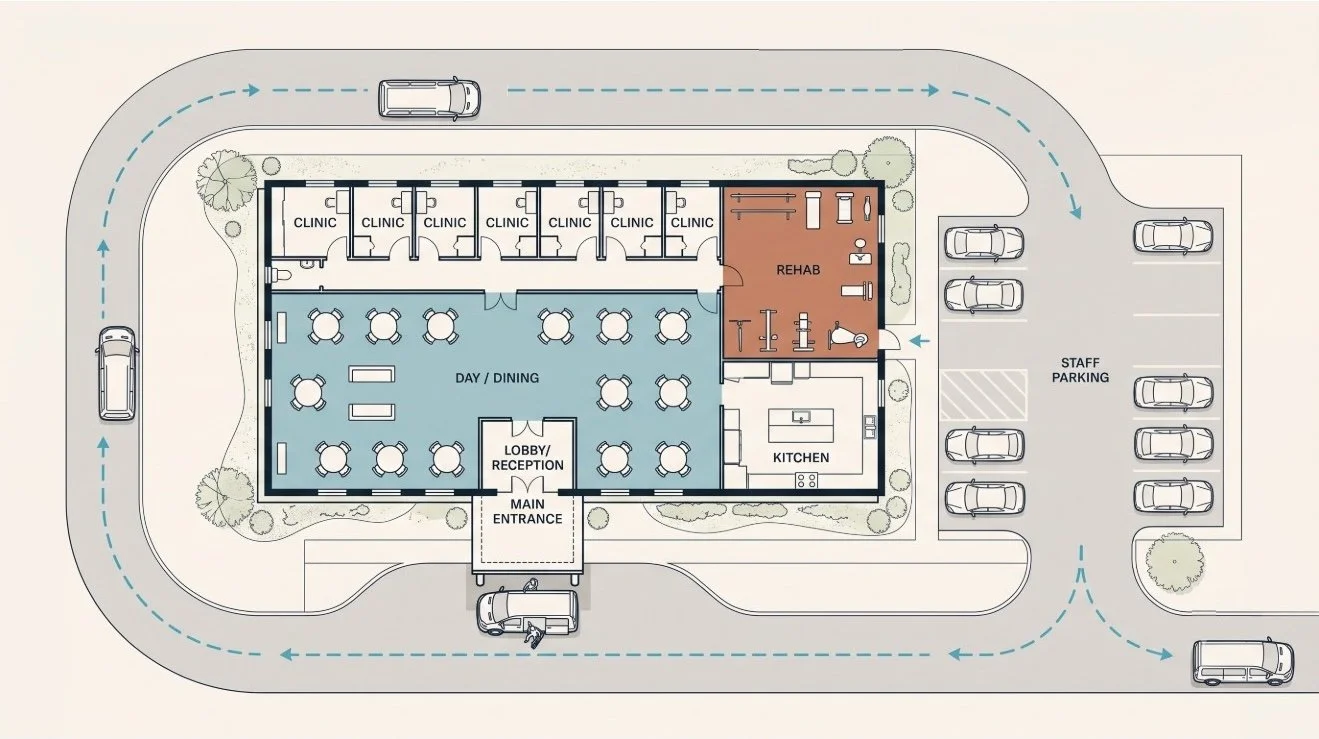
Programming a PACE Center From the Care Model Out
Teams that have built medical office space walk into a PACE project expecting exam rooms and hallways, and find they're designing a community center with a clinic inside it. The program, the site constraints, and the long licensing runway that make PACE real estate its own animal.

What a Diligence Team Opens First in Your Data Room
Founders polish the model and the clinical story, then the buyer's diligence team opens the data room and goes straight to the leases. The three questions they answer first, what they're really testing, and the lease administration system that keeps the file clean so diligence is an export, not an archaeology project.