

Section 6: The Activation System
The keys are in hand, but the project isn't finished—it’s just dormant. The Activation System is the final phase of the Clinical Engine, where we synchronize the physical chassis with the Growth Engine and human capital.
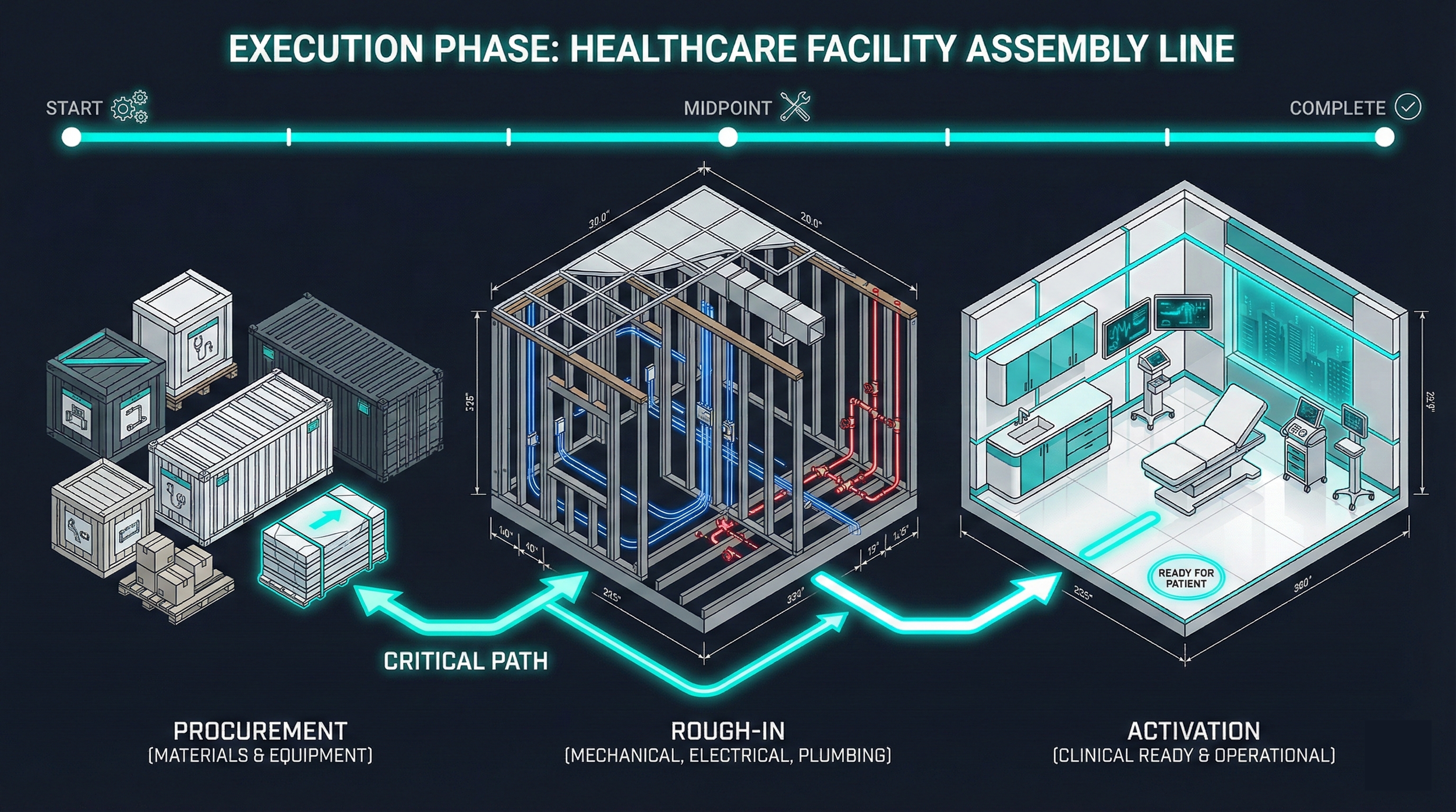
Section 5: The Execution & Logistics System
If Design is the "Hardware Spec," Execution is the assembly line. We map the Critical Path—from long-lead procurement to the final IT commissioning—to ensure the engine fires on Day 1.

Section 4: The Regulatory System — Managing the Human Bottleneck
Stop treating the city permit office as a black box. Learn why the "Linear Permit" is a myth and how the orchestration of people on both sides of the table is the key to beating the city bottleneck
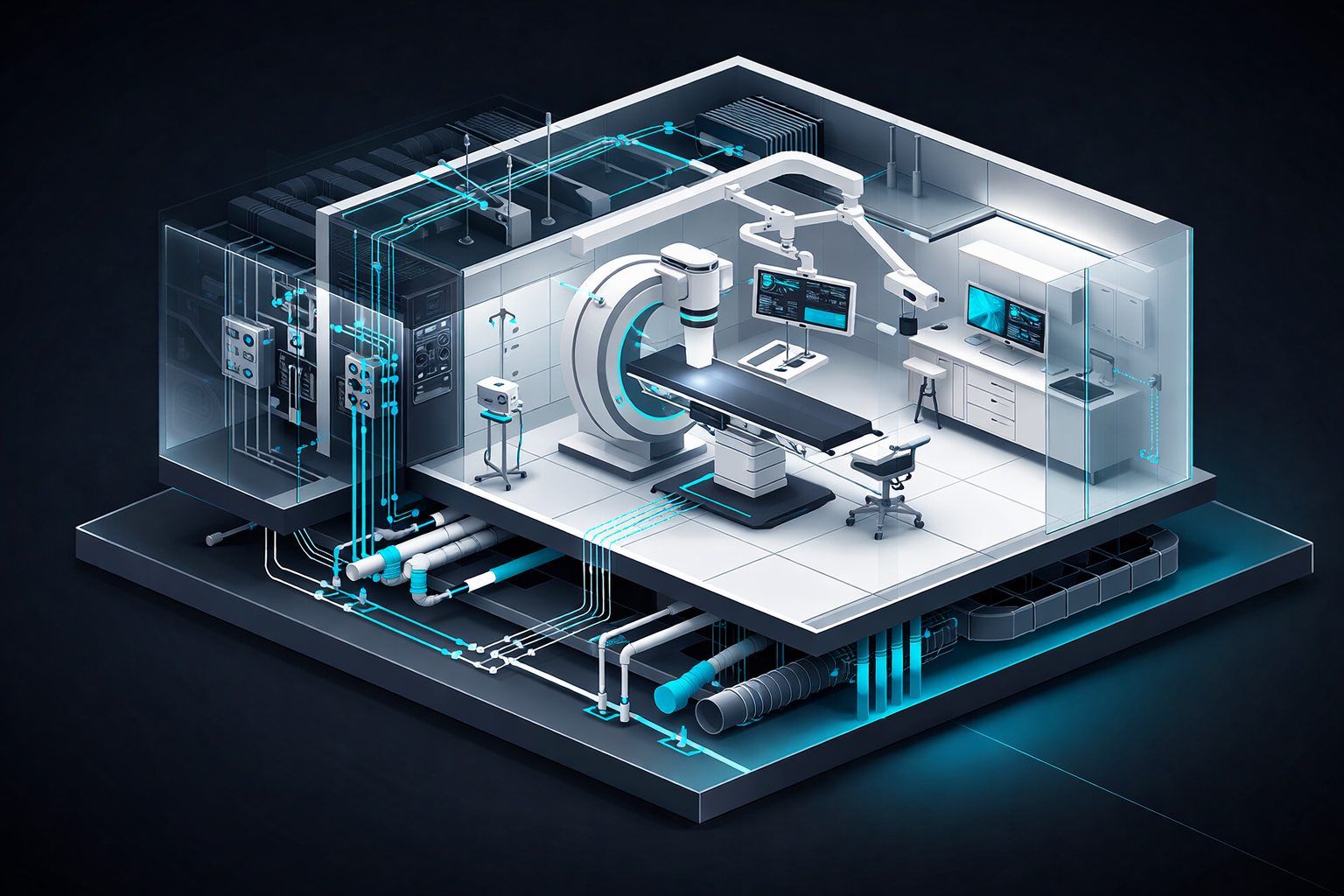
Section 3: The Physical Integration & Design System
If Strategy is "Source Code," Physical Integration is "Hardware Specs." Most projects fail at the Critical Collision—where medical tech meets the building shell. In Section 3, we map the MEP Handshake and Patient Circuit to ensure your engine fits the chassis.
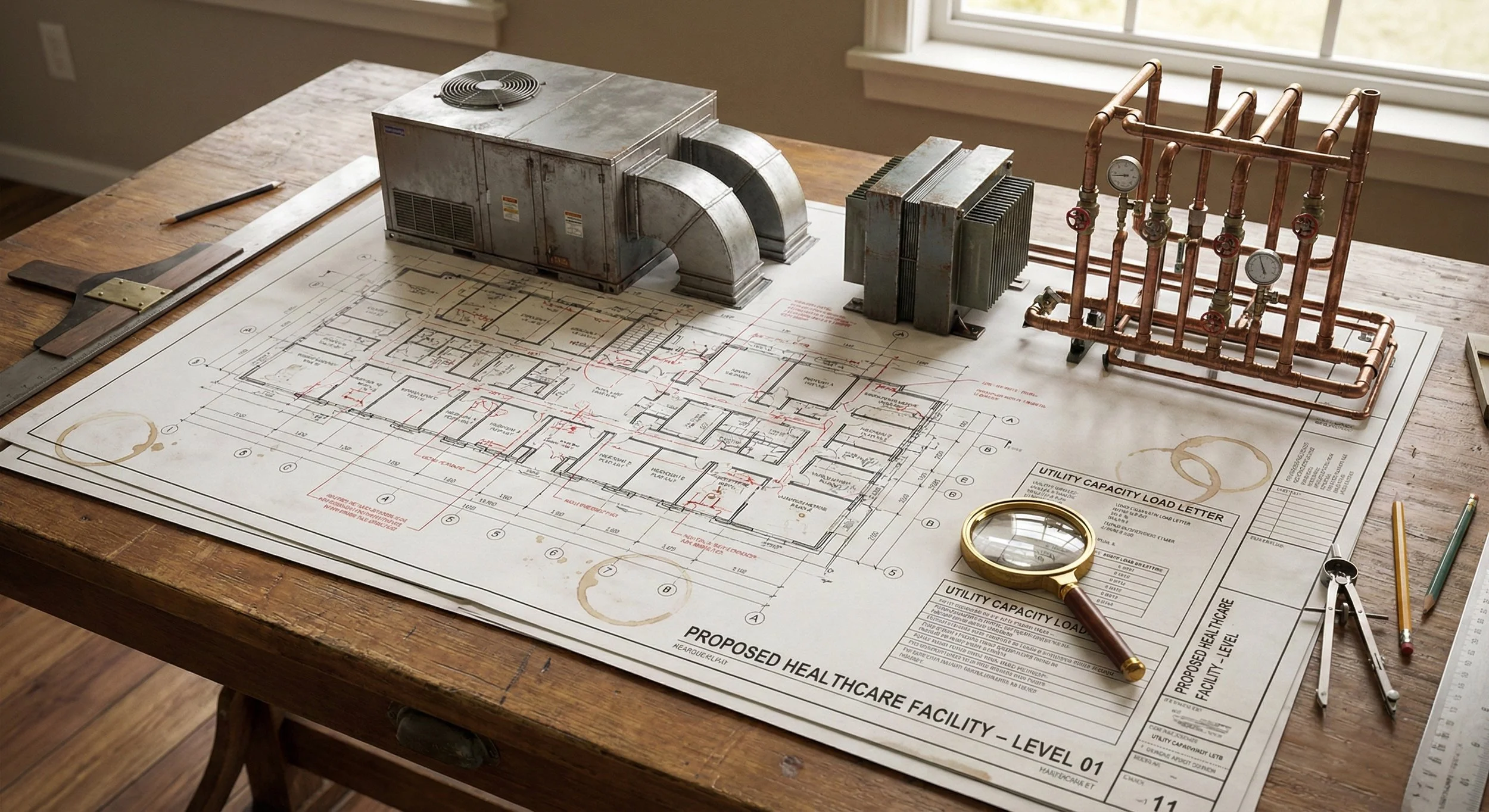
Section 2: The Acquisition System — Engineering the Deal
A lease is a financial engine, not just a legal document. Learn how to pull the three critical levers of Deal Engineering: The Hardware Handshake, Infrastructure TIA, and the Contingency Valve to ensure your clinical engine has the room to run.

Section 1: The Strategy System — Why Your Clinical Program is Actually Code
Falling for a site before a strategy creates costly operational debt. Section 1 of the Clinical Engine: The Strategy System explains the importance of a proactive technical approach to site selection
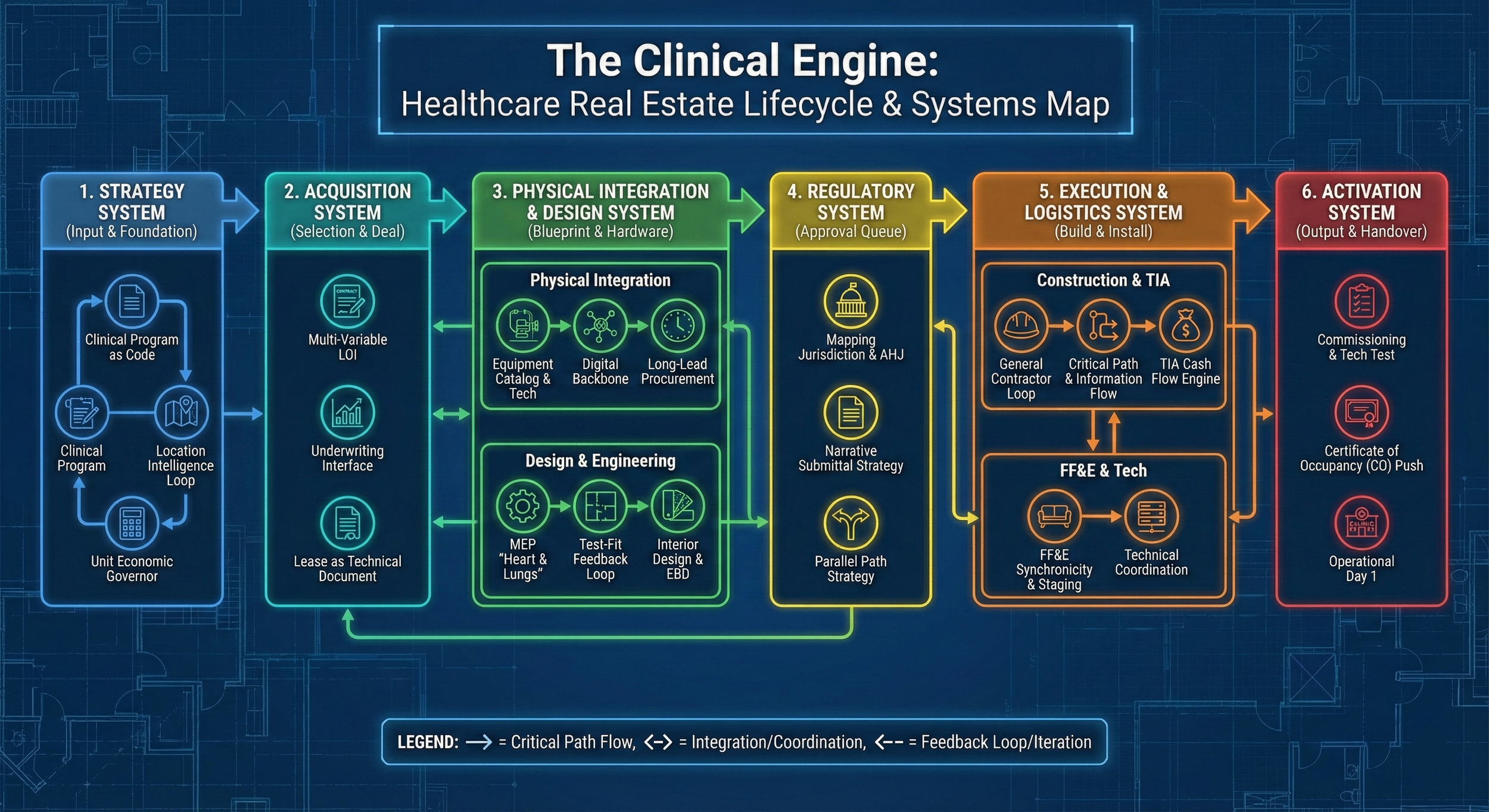
The Clinical Engine: Why Healthcare Expansion is a Systems Problem
Stop looking at real estate as a "location" problem. To scale a healthcare brand without bleeding cash, you need to view your expansion as a high-performance engine.