

Why Most Healthcare Founders Underestimate Their Clinic Launch Timeline
Most founders think a new clinic is a 6-9 month project. This guide reveals why that thinking is a dangerous trap and what the true timeline looks like.

Construction Is Done. Why You Still Can't Open.
Construction can be finished and your clinic still can't open. The last 2% of a healthcare build runs on inspections and approvals you don’t control. Here's how the inspection-to-CO gauntlet actually works, and how to get ahead of it before your opening date slips.

Your Virtual Model Isn't a Blueprint for Your Physical One
You built a virtual practice and it's working. Now you're adding physical. The operating playbook, the team, the unit economics, the patient acquisition assumptions don’t transfer cleanly. Here's what shows up the day you sign a lease, and what your team has never had to do.

What Physical Care Actually Buys You in a Virtual-First World
Virtual care commodified the easy convenience. What it didn't commodify is the kind of convenience that matters when a patient has real care needs. A reframe on what physical real estate is actually for now, and the contrarian view on what makes it work.

The Coordination System: Who You Actually Need to Build Your First Clinic, and When
A first clinic is four phases, each with specialists who add the most value at specific moments. The seams between them are where 25% of timeline and budget disappear. A phase-by-phase map of who you actually need, when.
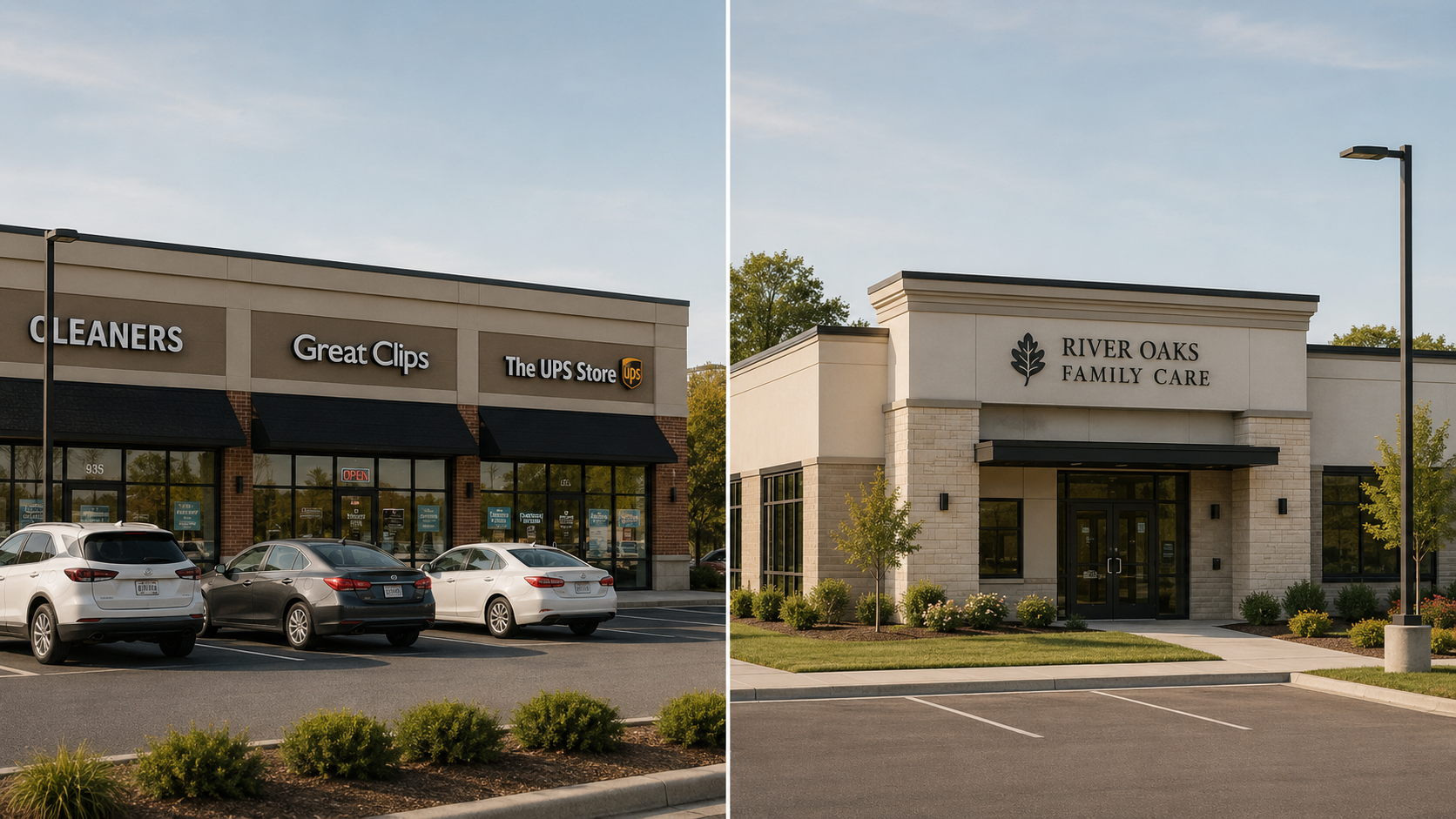
Ground-Up Pad or Medtail Lease: The Decision You Make Before Site Selection
An inline medtail suite and a ground-up pad on the same corridor. Both look right on a map. Here's how to run your care model, your capital, and your multi-site plan through the structure before you sign the LOI.
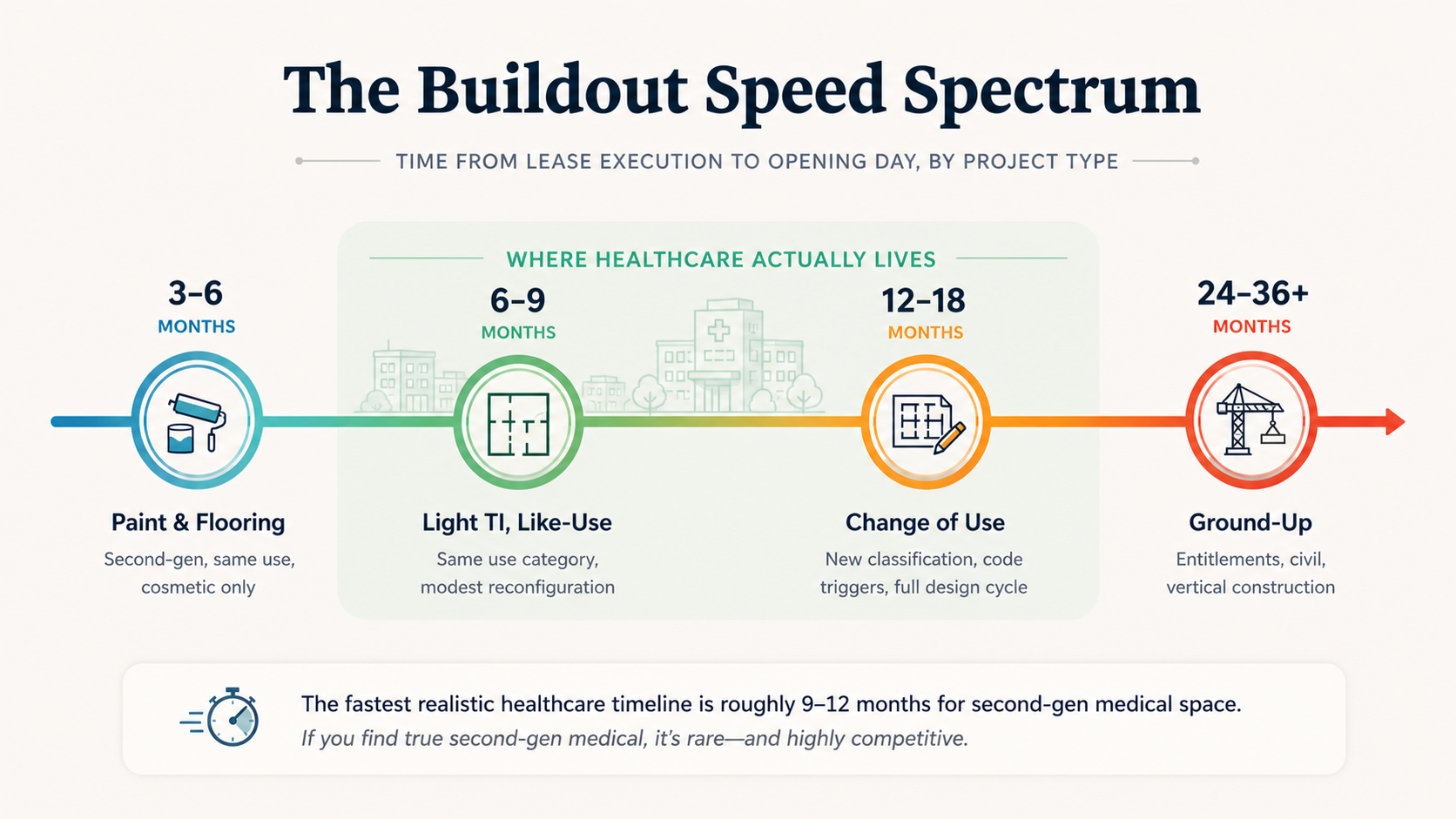
If You Want to Open in 2028, Start Now: The Flexibility–Speed Tradeoff in Healthcare Real Estate
If you want to open a healthcare facility on January 1, 2028, the calendar math says now is the time to start. Here's the flexibility–speed tradeoff.

The Landlord's Math: What Private Building Owners Actually Want From Healthcare Tenants
The private landlord who owns a single freestanding building looks at your deal differently. Owned for 30 years, no debt. They want one thing: a tenant who shows up, pays rent, and doesn't call with problems. Here's their math — and how to negotiate from it.

The First 90 Days: Why Healthcare Handoff Is the Most Fragile Phase
The first 90 days after CO isn't a victory lap — it's a stabilization phase where warranty gaps, workflow friction, and handoff failures get expensive.
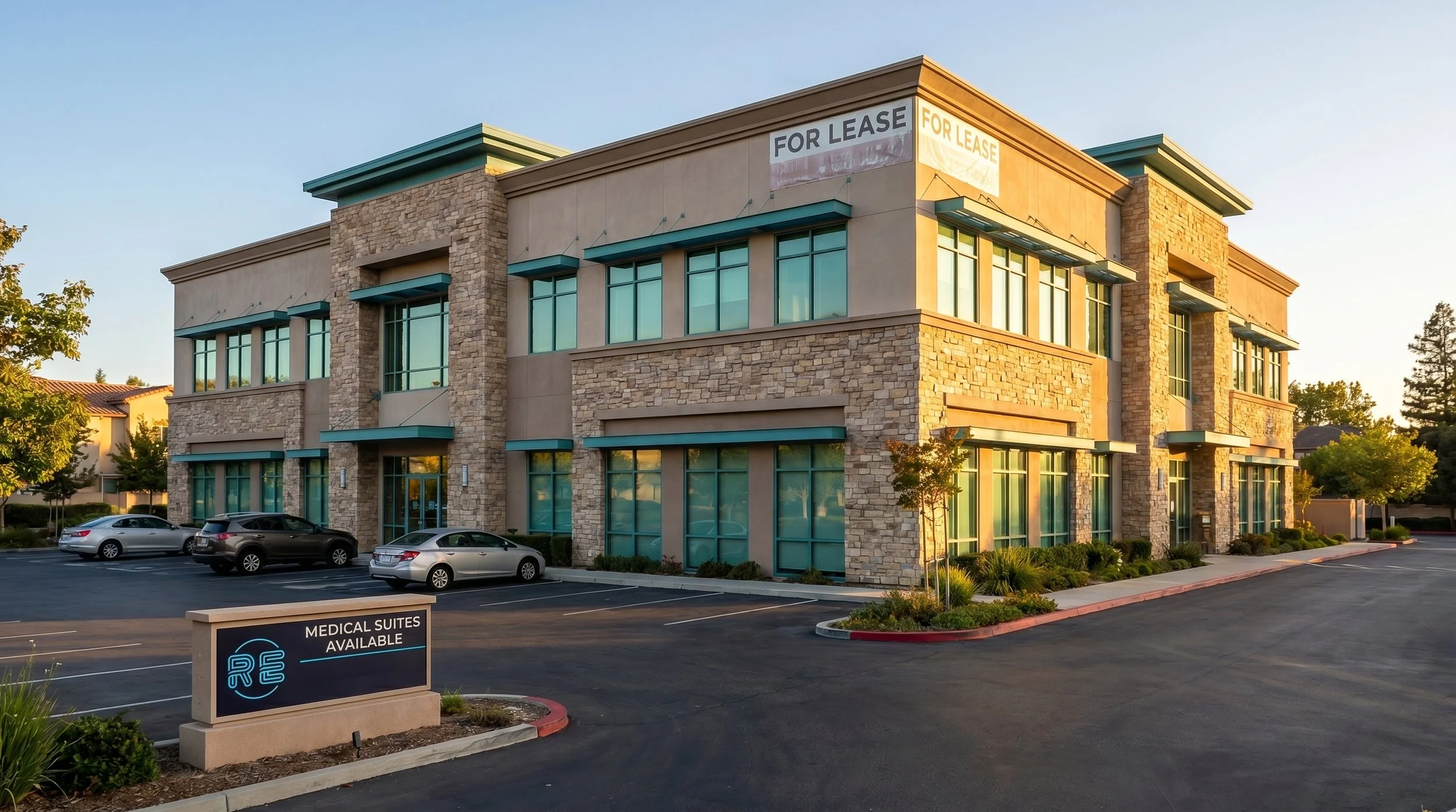
Finding Bridge Space When Your Waitlist Is 60 Days Out
Your waitlist is 60 days out and you need exam rooms now. But in tight suburban markets, "move-in ready" clinical space doesn't exist. All three paths have hidden costs—and desperation costs even more than speed.

The Second Site Paradox: Why 1 + 1 Equals 0.5 in Clinic Growth
Site #2 is where healthcare founders learn whether they built a real system or just survived Site #1 through brute force. Here’s why expansion often slows momentum instead of compounding it.

The Broken Brokerage Model: Why Commission Hurts Clinic Strategy
Healthcare founders often treat brokers as neutral guides. They are not always incentivized that way. Here’s where the model breaks and what to do instead.

LOI & Lease Negotiation: Protecting EBITDA, Exit Value, and Founder Equity
In healthcare real estate, the LOI is where founders and investors either protect EBITDA or commit to years of avoidable risk. Here are the seven lease terms that matter most.
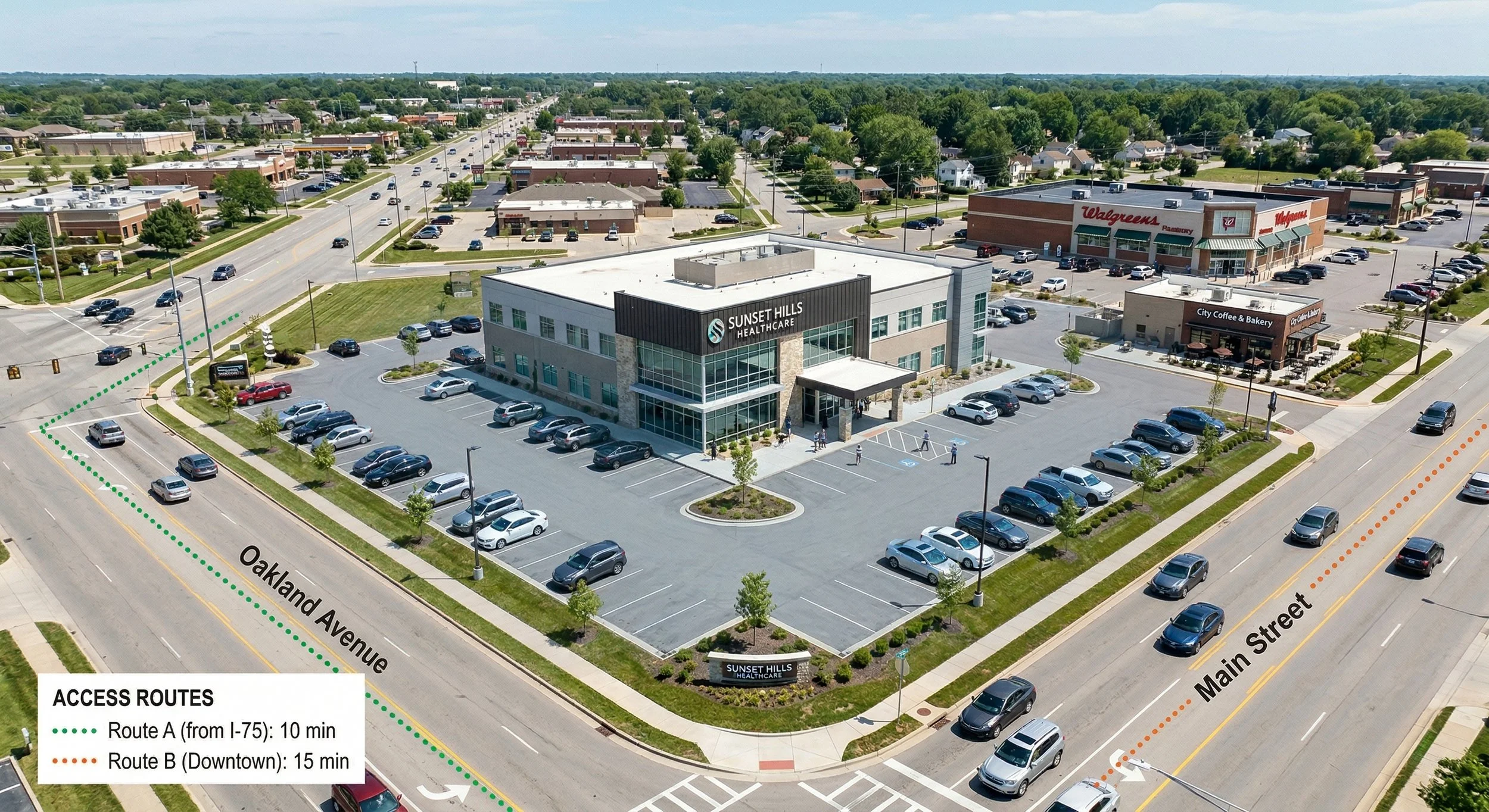
Market & Site Selection: An ELI5 Guide for Healthcare Founders
A simple, operator-focused glossary of the terms that actually matter in healthcare site selection—so you don’t lock in the wrong constraints for the next 10 years.
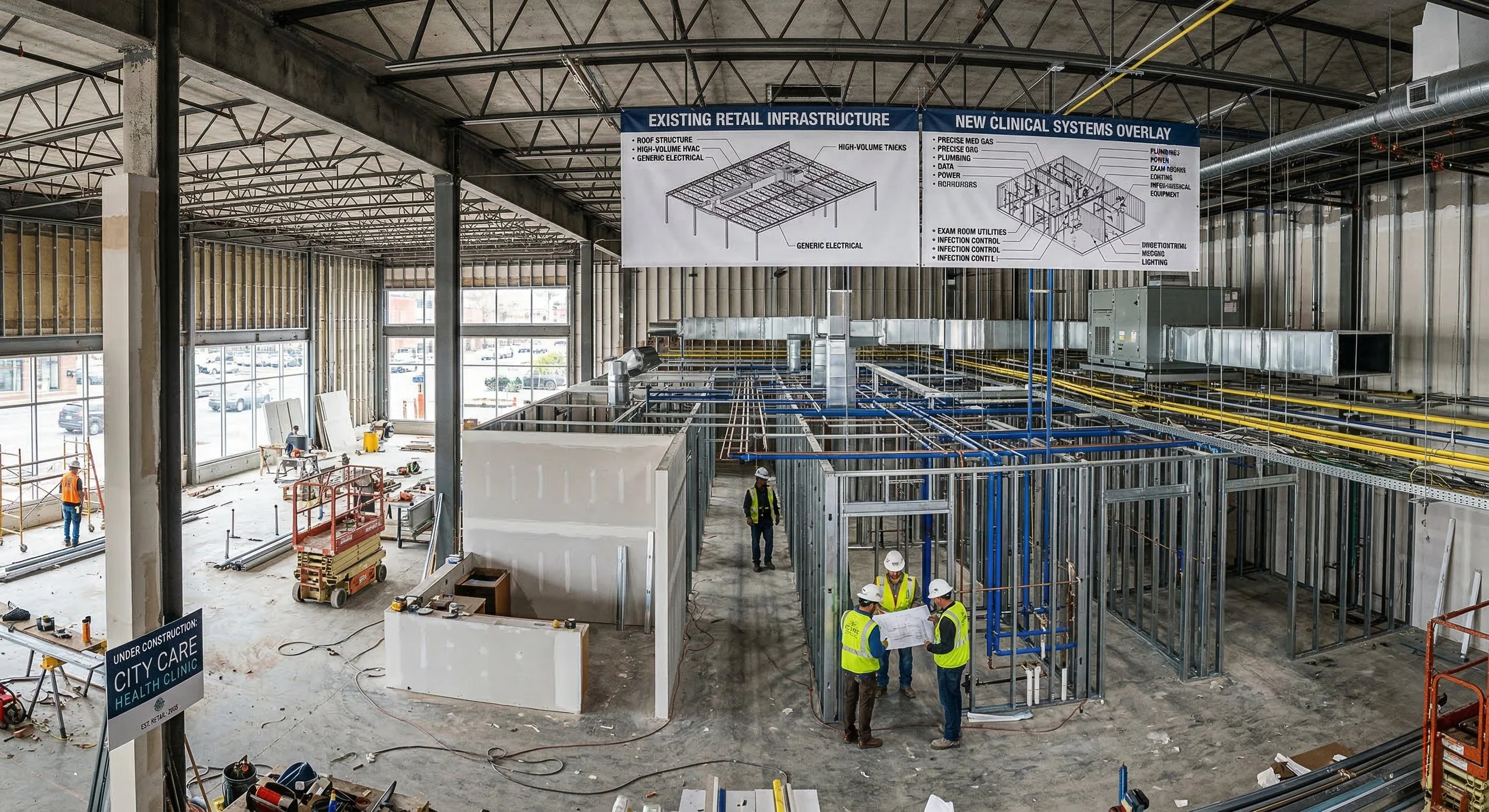
Medtail Reality Check: A Smarter Way to Evaluate Build-Out Costs
Most founders evaluate Medtail deals based on cost. The real question is what level of patient volume that cost requires—and whether your model can actually deliver it.

The High-Precision Clinic: Why AI Changes Your Real Estate Math
Most clinics are slowed down by paperwork and scheduling errors. By using AI to handle the administrative "clutter" in the background, healthcare founders can stop wasting expensive office space and finally see more patients in the same footprint.

Section 6: The Activation System
The keys are in hand, but the project isn't finished—it’s just dormant. The Activation System is the final phase of the Clinical Engine, where we synchronize the physical chassis with the Growth Engine and human capital.
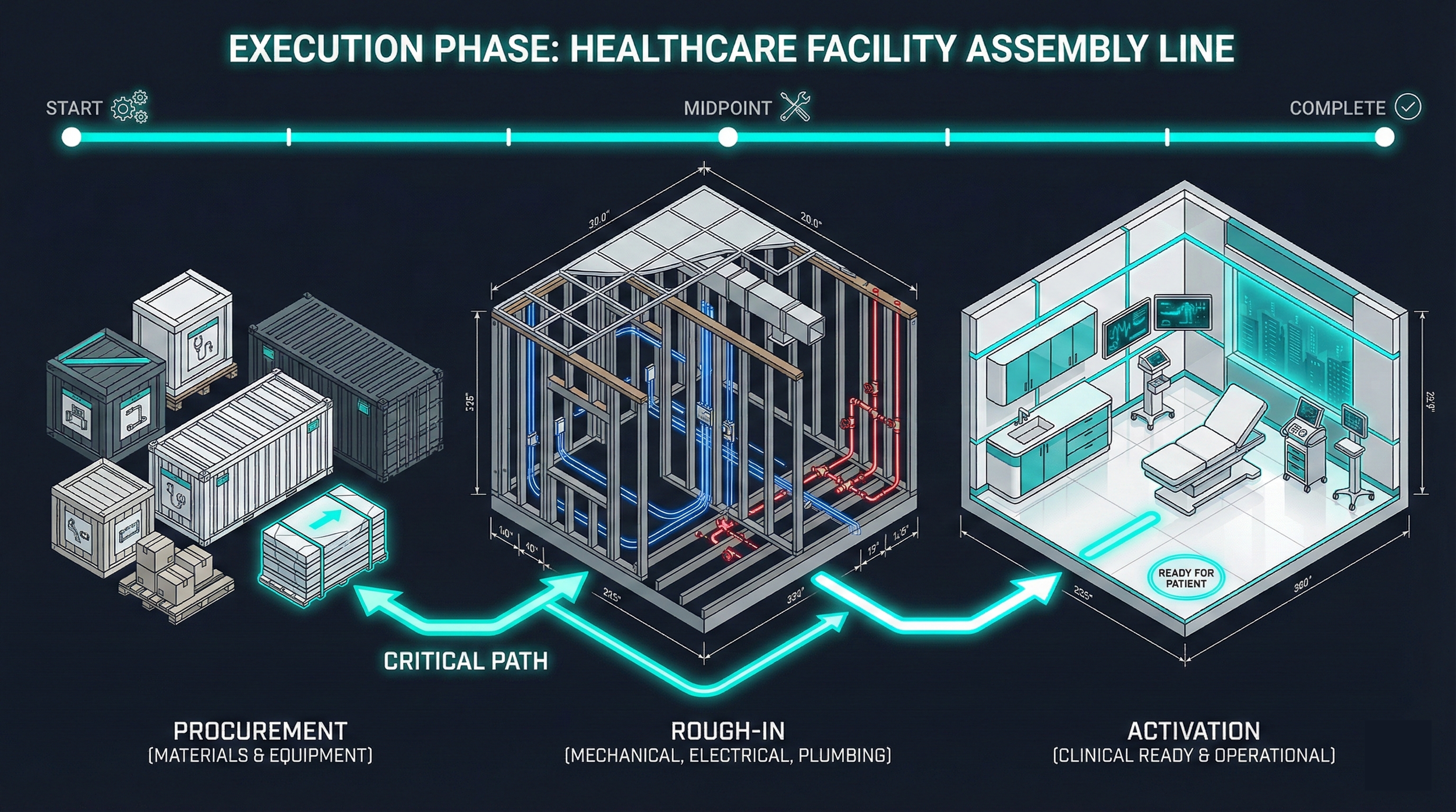
Section 5: The Execution & Logistics System
If Design is the "Hardware Spec," Execution is the assembly line. We map the Critical Path—from long-lead procurement to the final IT commissioning—to ensure the engine fires on Day 1.

Section 4: The Regulatory System — Managing the Human Bottleneck
Stop treating the city permit office as a black box. Learn why the "Linear Permit" is a myth and how the orchestration of people on both sides of the table is the key to beating the city bottleneck

Section 3: The Physical Integration & Design System
If Strategy is "Source Code," Physical Integration is "Hardware Specs." Most projects fail at the Critical Collision—where medical tech meets the building shell. In Section 3, we map the MEP Handshake and Patient Circuit to ensure your engine fits the chassis.