
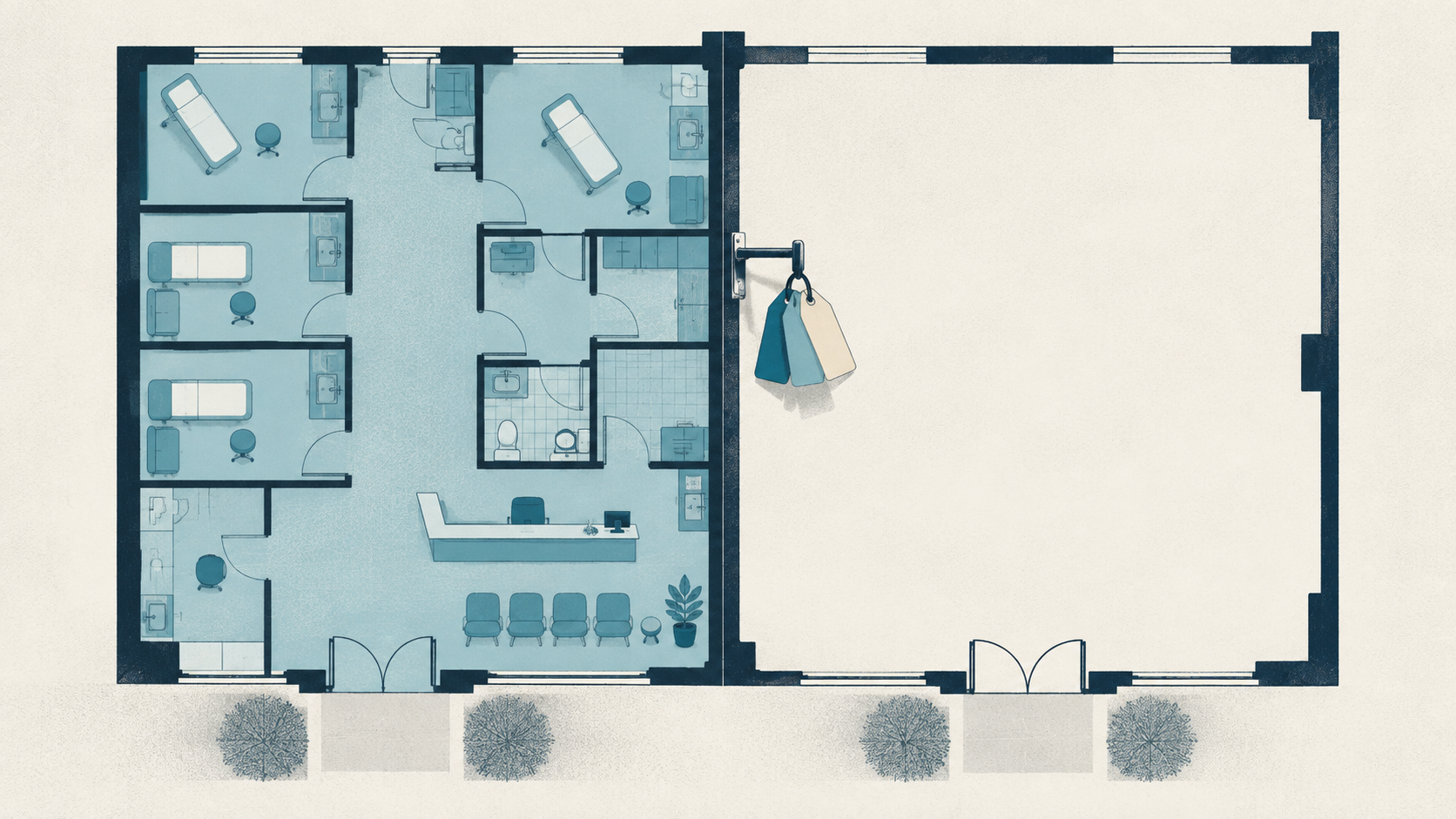
Negotiating Room to Grow in Your Clinic Lease
Expansion rights get priced like everything else in a lease. Here is what a ROFO, a ROFR, a fixed option, and a must-take actually give you, what each one costs, and how to match the expansion mechanism to your growth plan.

Your Neighbors Are Negotiable. Exclusive Use and Cotenancy.
The tenant mix when you toured is a snapshot in time. Three provisions decide who operates around your clinic for the next decade, and all three are LOI-stage asks.

What I Look For When I Walk a Building
A broker tour asks whether you could see your clinic here. A diligence walk asks whether the building can physically become your clinic, on budget and on time. Who to bring, what to check, and when to walk away.

What Does a Healthcare Real Estate Advisor Actually Do?
One year into running Retained CRE full time, the question I get most is "what do you do?" The honest answer: real estate is the door I walk in through. What's on the other side is the whole business.
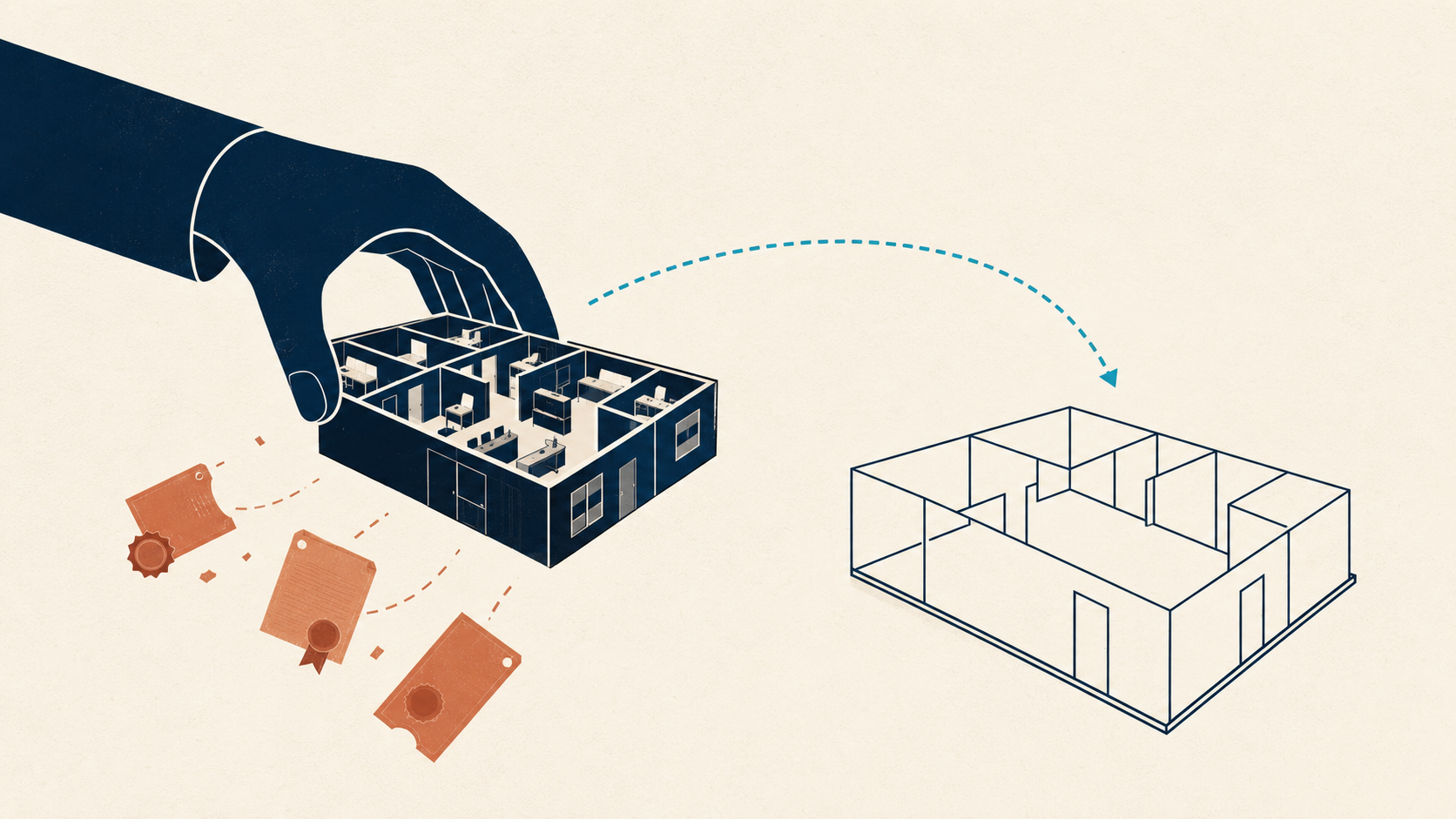
Your Landlord Can Make You Move. The Relocation Clause.
It reads like boilerplate: the landlord may relocate the tenant to other space in the center. A clothing store moves in a weekend. A clinic rebuilds its medical space, re-permits, and re-credentials the address. How to strike or box in the clause before you sign.

The TI Allowance Fine Print: How the Money Moves
The LOI says $340,000 in TI. The lease pages behind it decide whether you collect it. How the money moves — draw packages, deductions, amortized TI — and the five clauses to negotiate before you sign.

The Coordination System: Who You Actually Need to Build Your First Clinic, and When
A first clinic is four phases, each with specialists who add the most value at specific moments. The seams between them are where 25% of timeline and budget disappear. A phase-by-phase map of who you actually need, when.
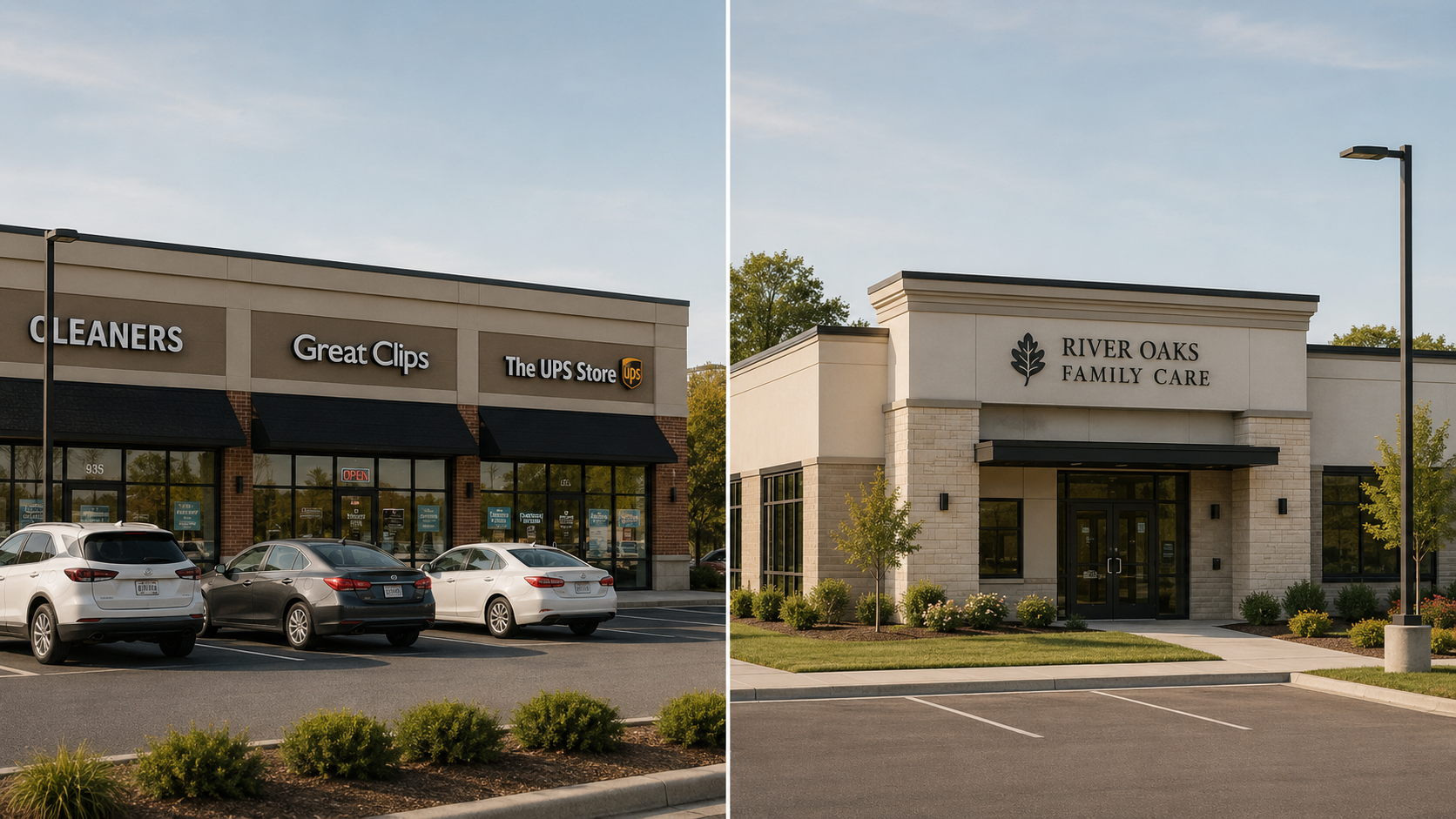
Ground-Up Pad or Medtail Lease: The Decision You Make Before Site Selection
An inline medtail suite and a ground-up pad on the same corridor. Both look right on a map. Here's how to run your care model, your capital, and your multi-site plan through the structure before you sign the LOI.

The Landlord's Math: What Private Building Owners Actually Want From Healthcare Tenants
The private landlord who owns a single freestanding building looks at your deal differently. Owned for 30 years, no debt. They want one thing: a tenant who shows up, pays rent, and doesn't call with problems. Here's their math — and how to negotiate from it.

The Broken Brokerage Model: Why Commission Hurts Clinic Strategy
Healthcare founders often treat brokers as neutral guides. They are not always incentivized that way. Here’s where the model breaks and what to do instead.

LOI & Lease Negotiation: Protecting EBITDA, Exit Value, and Founder Equity
In healthcare real estate, the LOI is where founders and investors either protect EBITDA or commit to years of avoidable risk. Here are the seven lease terms that matter most.
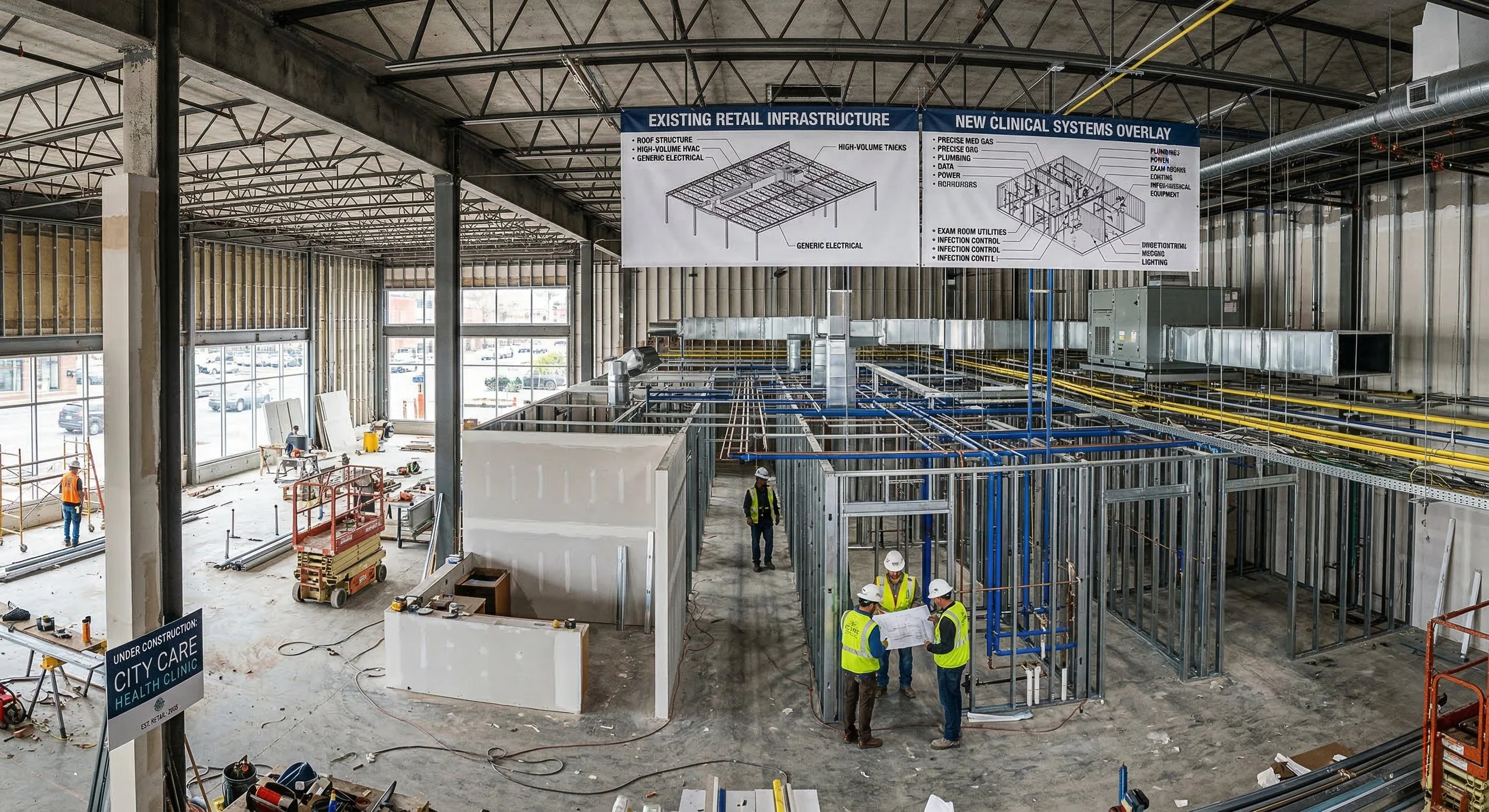
Medtail Reality Check: A Smarter Way to Evaluate Build-Out Costs
Most founders evaluate Medtail deals based on cost. The real question is what level of patient volume that cost requires—and whether your model can actually deliver it.

The High-Precision Clinic: Why AI Changes Your Real Estate Math
Most clinics are slowed down by paperwork and scheduling errors. By using AI to handle the administrative "clutter" in the background, healthcare founders can stop wasting expensive office space and finally see more patients in the same footprint.
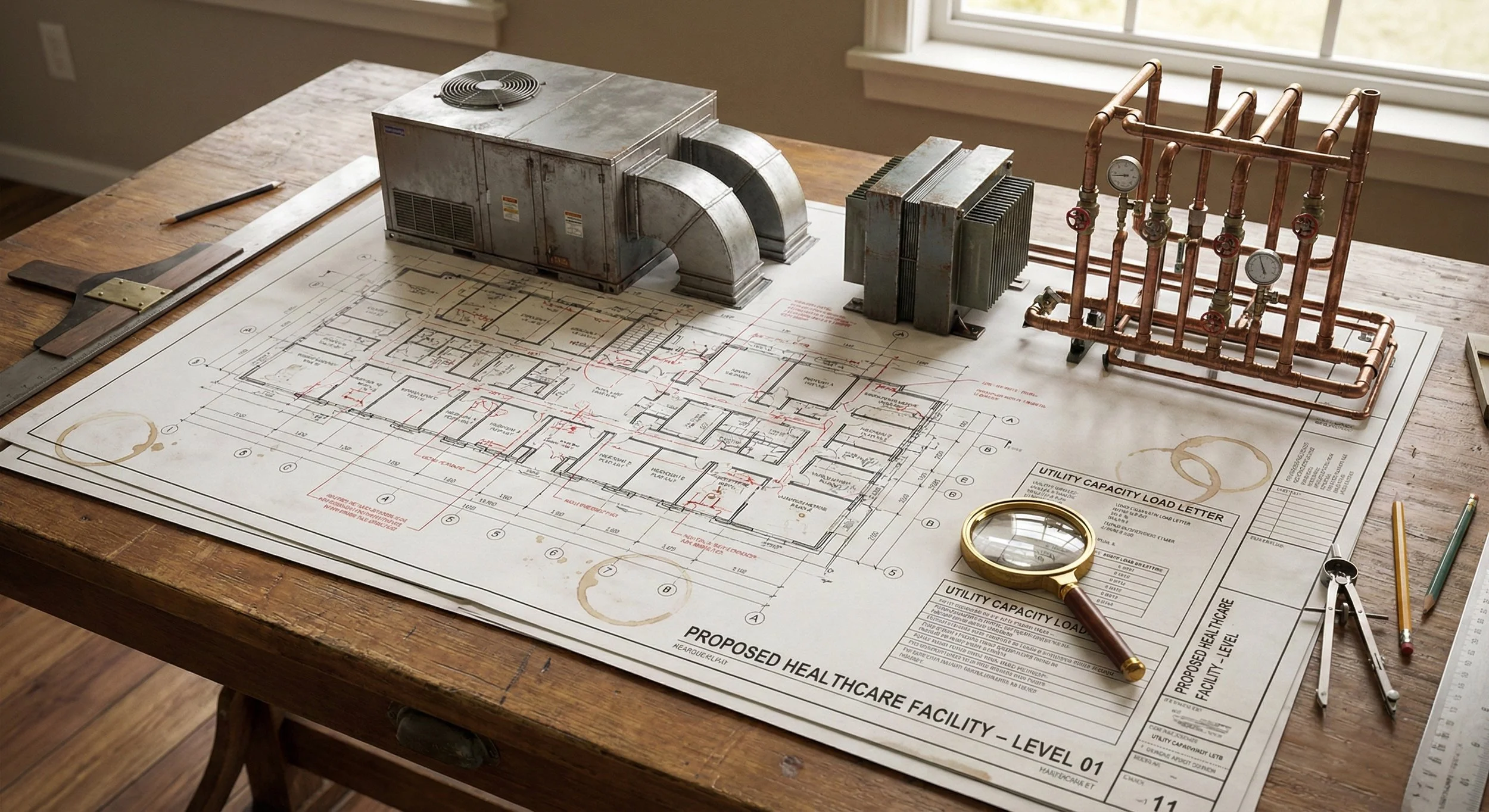
Section 2: The Acquisition System — Engineering the Deal
A lease is a financial engine, not just a legal document. Learn how to pull the three critical levers of Deal Engineering: The Hardware Handshake, Infrastructure TIA, and the Contingency Valve to ensure your clinical engine has the room to run.

The Founder's Guide to the LOI: Mitigating Risk Before You Build
The most complex 5-page document you'll ever sign. Learn the 9 LOI clauses—from TI funding to assignment rights—that dictate your clinic's cash flow, opening timeline, and future sale price.